Live Better Longer Community Seminar Series
November 4, 2026 . EVENTS
Live Better Longer Community Seminar Series
The Buck Institute is hosting in-person (with zoom option) monthly conversations with geroscience experts about how people can live longer, healthier lives. Speakers in the Live Better Longer Seminar Series will share the latest insights into sleep, exercise, nutrition, mental health and how people of any age can optimize their health and fitness.
Season 3, Seminar 5: Wednesday, Nov 4 @ 11am (PT)
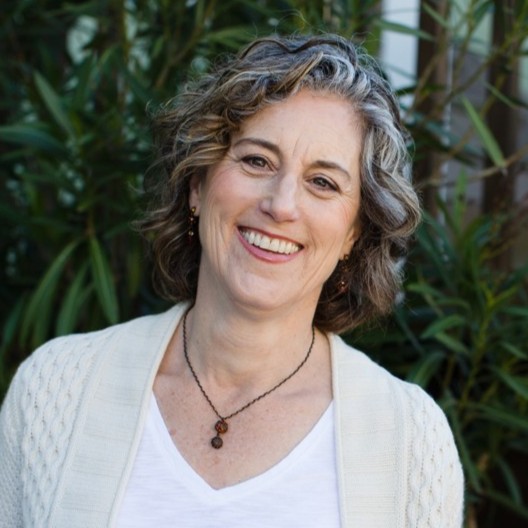 Reimagining Life’s “Third Act”
Louise Aronson, MD, MFA
Professor, University of California, San Francisco
What’s the next seminar about?
In what is sure to be an engaging and thought-provoking discussion, Dr. Aronson will challenge conventional ideas about aging and explore how we can rethink what she calls “elderhood” with greater curiosity, creativity, and purpose. Drawing on her work in geriatrics and healthy aging, she will discuss how society and healthcare can better support older adults in maintaining independence, agency, meaning, and well-being, while highlighting the unique opportunities, growth, and possibilities that can emerge during life’s “third act.”
View recordings of past seminars
Registration will take place every month for the upcoming seminar. Keep an eye out for an email from us when registration opens for each seminar.
Bookings
Speakers
Upcoming
November 4, 2026
Reimagining Life’s “Third Act”
In what is sure to be an engaging and thought-provoking discussion, Dr. Aronson will challenge conventional ideas about aging and explore how we can rethink what she calls “elderhood” with greater curiosity, creativity, and purpose. Drawing on her work in geriatrics and healthy aging, she will discuss how society and healthcare can better support older adults in maintaining independence, agency, meaning, and well-being, while highlighting the unique opportunities, growth, and possibilities that can emerge during life’s “third act.”
Louise Aronson, MD, MFA
University of California, San Francisco
Louise Aronson, MD, MFA, is a leading geriatrician, writer, educator, and professor of medicine at the University of California, San Francisco. The author of the New York Times bestseller and Pulitzer Prize finalist Elderhood: Redefining Aging, Transforming Medicine, Reimagining Life, she is a regular contributor to the New York Times and the New England Journal of Medicine among other publications. Recognition of Dr. Aronson’s work includes a MacDowell fellowship, four Pushcart nominations, the American Geriatrics Society Clinician-Teacher of the Year award, and a Gold Professorship for Humanism in Medicine. A graduate of Harvard Medical School, she is a fifth generation San Franciscan who was born at the same medical center where she now works.
Her current work is focused on expanding geriatric care and public perceptions of old age to more accurately attend to the decades and diversity of elderhood, developing innovative programs and practices to empower older adults to retain agency and maximize wellness as they age.

December 2, 2026
New Avenues in the Prevention, Detection and Treatment of Cancer
Aging is the single biggest risk factor for all cancers. While the Benz lab is focused on breast cancer, Dr. Benz has also worked on national research projects that have led to breakthrough discoveries about the nature of cancer itself. He will draw on his experience as a practicing oncologist at the University of California, San Francisco, caring for women with breast cancer, as well as his research acumen to bring us the latest findings on prevention, detection and treatment.
Chris Benz, MD
Professor, Buck Institute
For over 40 years, Dr. Benz’s translational research efforts in medical oncology have focused on identifying molecular strategies to improve upon clinical cancer diagnostics and therapeutics. One of the Buck’s founding faculty members, Dr. Benz also holds a joint professorship appointment at UCSF where he treats and cares for cancer patients at the UCSF Carol Franc Buck Breast Care Center while also contributing to nationwide clinical trial studies. In addition to publishing over 300 peer-reviewed lab research studies, Dr. Benz has served on multiple national and international review and oversight committees including the American Association of Cancer Research (AACR) Task Force on Cancer and Aging.
Dr. Benz was one of the driving forces behind the 2006 Marin Women’s Study, which investigated factors influencing Marin County’s uniquely high rates of breast cancer.
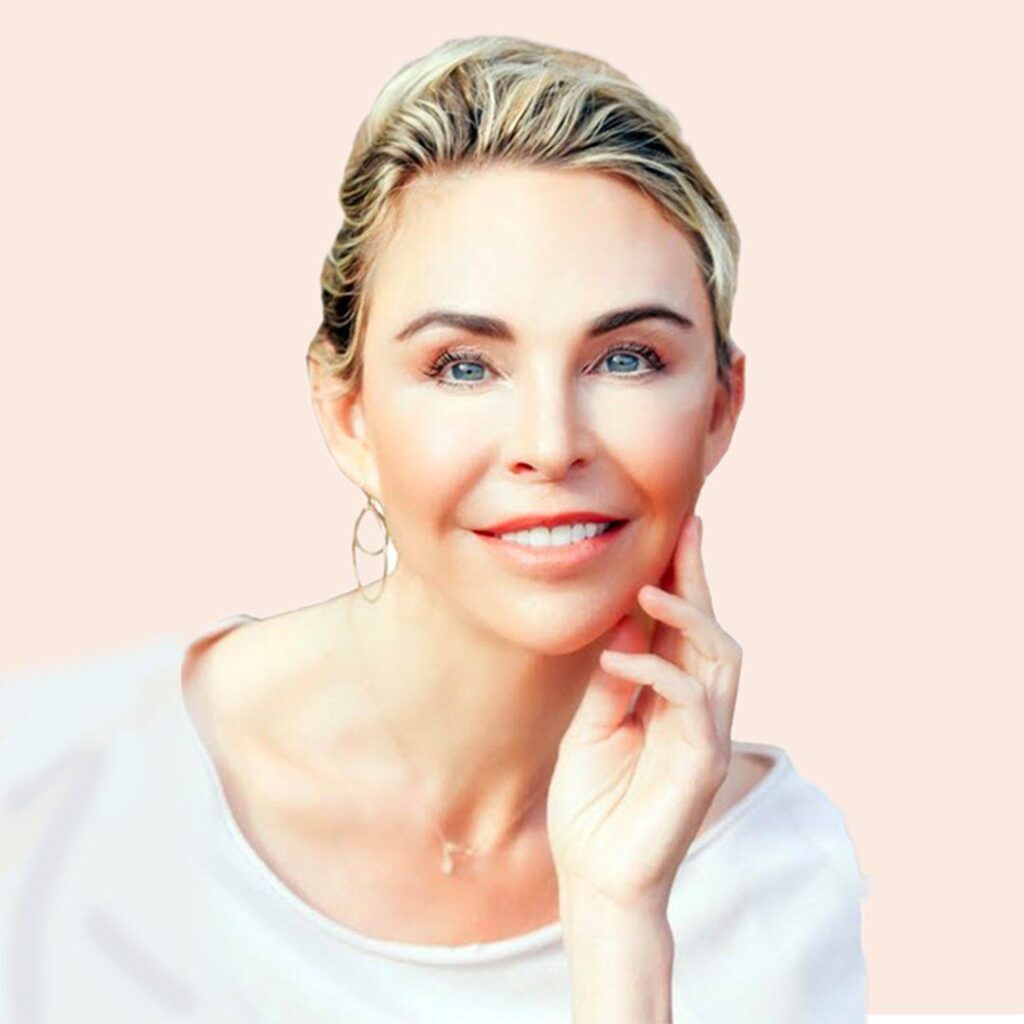
January 6, 2027
Rewiring Your Brain for Wellness
Neuroplasticity shows that what you practice grows stronger. When we practice mindfulness and self-compassion, we literally rewire our brains for greater calm, clarity, and connection. Dr. Shapiro’s research and teachings illuminate the power of the mind to heal, grow and thrive, helping people awaken their fullest potential for resilience, vitality and well-being.
Shauna Shapiro, PhD
Professor, Santa Clara University
Shauna Shapiro, PhD, is a professor, clinical psychologist, best-selling author, and internationally recognized expert in mindfulness and compassion. She is ranked sixth globally by Google Scholar for her lifetime scientific impact in mindfulness and has published over 150 peer-reviewed papers and three critically acclaimed books, translated into 19 languages. A graduate of Duke University, Dr. Shapiro brings academic rigor and psychological insight to the science of human flourishing.
Her TEDx talk “The Power of Mindfulness” has been viewed over 3.5 million times and is widely used in clinical, educational, and organizational settings.
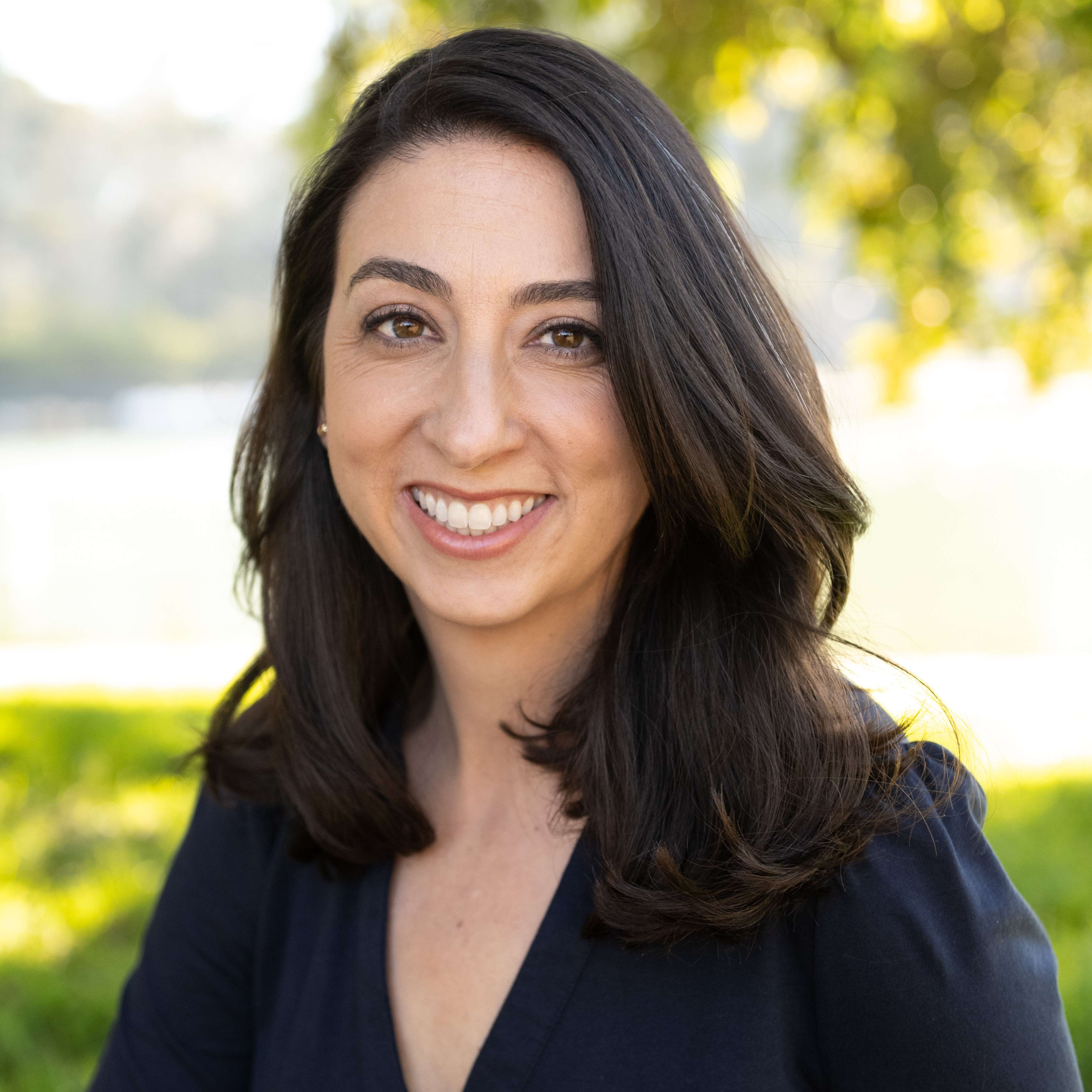
February 3, 2027
Keeping Your Brain Resilient
We all want to keep our brains sharp as we age. Brain fog and mental decline do not have to be a part of grower older! Dr. Bock will share science-backed habits you can begin incorporating today – from what to eat to how much to sleep – that are meant to protect your brain’s resiliency.
Meredith Bock, MD
Physician, Buck Institute; Head of Neurology, Brigade Health
Dr. Meredith Bock is a neurologist, researcher, and healthcare innovator working to transform how we care for people living with dementia and other neurological diseases. As Head of Neurology at Brigade Health, she is helping build new models of care that support not only patients, but also the families navigating these complex conditions alongside them. Combining deep clinical expertise with a passion for compassionate, evidence-based care, Meredith is at the forefront of reimagining what aging and brain health can look like in the modern era.
A former faculty member at University of California, San Francisco and physician at the San Francisco Veterans Affairs Medical Center, Dr. Bock has published research in leading medical journals including the New England Journal of Medicine and JAMA Network Open. Her work spans early detection of neurodegenerative disease, dementia care innovation, and improving quality of life for older adults. Known for translating cutting-edge science into practical insight, she brings warmth, clarity, and optimism to some of the most important conversations in aging and brain health today.
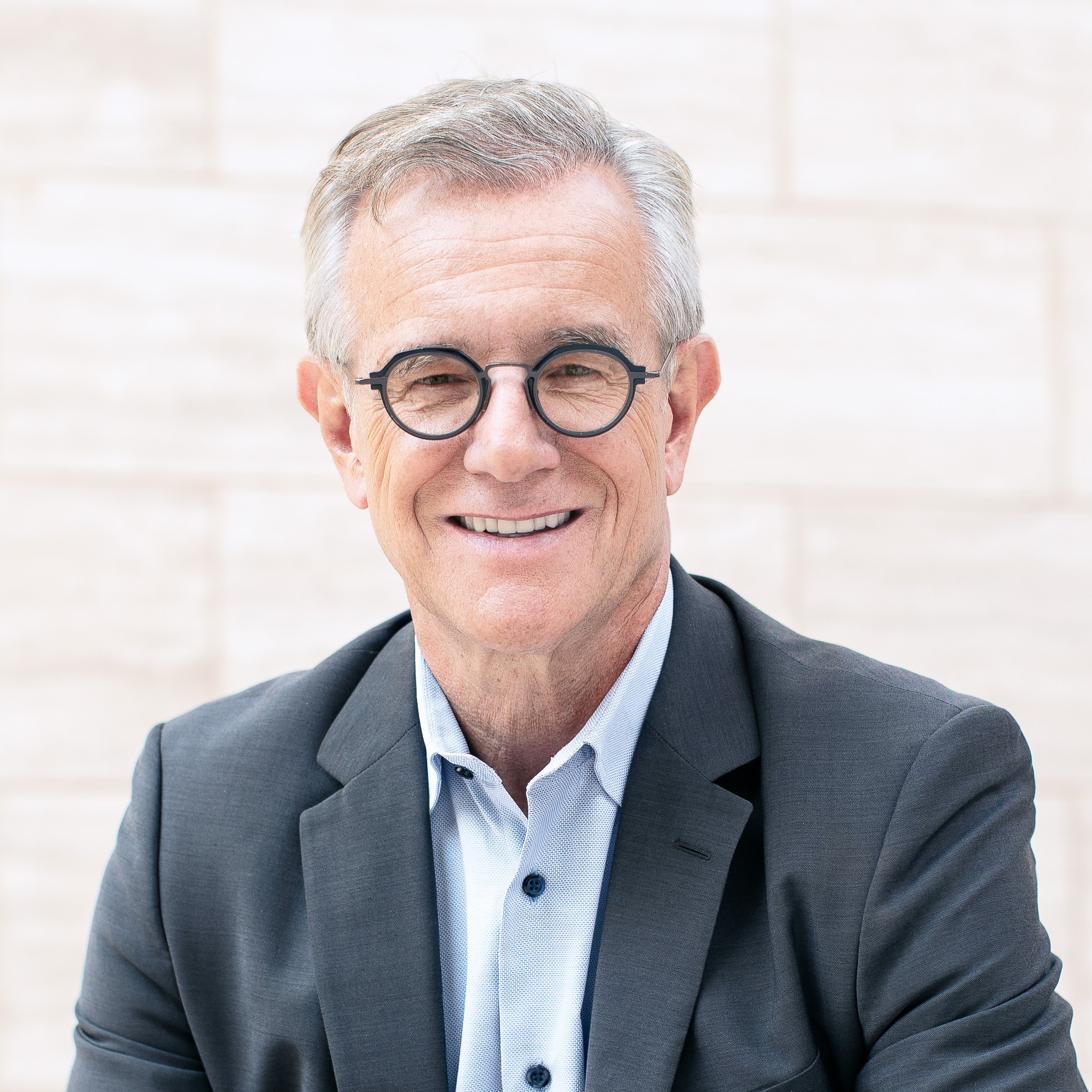
March 3, 2027
How Close Are We to Reversing Aging?
There has never been a more exciting time in research on aging. We are at an inflection point where scientific advancements in the lab are now being studied in human clinical trials. How soon until there is a pill to slow down or even reverse aging? Dr. Verdin shares insights from his front row seat into the field.
Eric Verdin, MD
President & CEO, Professor, Buck Institute
A native of Belgium, Dr. Verdin received his Doctorate of Medicine from the University of Liege and completed additional clinical and research training at Harvard Medical School. He has held faculty positions at the University of Brussels, the National Institutes of Health, the Picower Institute for Medical Research, and the Gladstone Institutes. Dr. Verdin is also currently a professor of medicine at University of California, San Francisco.
In 2016, Dr. Verdin established his lab at the Buck to study the relationship between aging and the immune system. He is an elected member of several scientific organizations including the American Association for the Advancement of Science, the American Society for Clinical Investigation, and the Association of American Physicians. He has published more than 270 scientific papers and holds 18 patents.
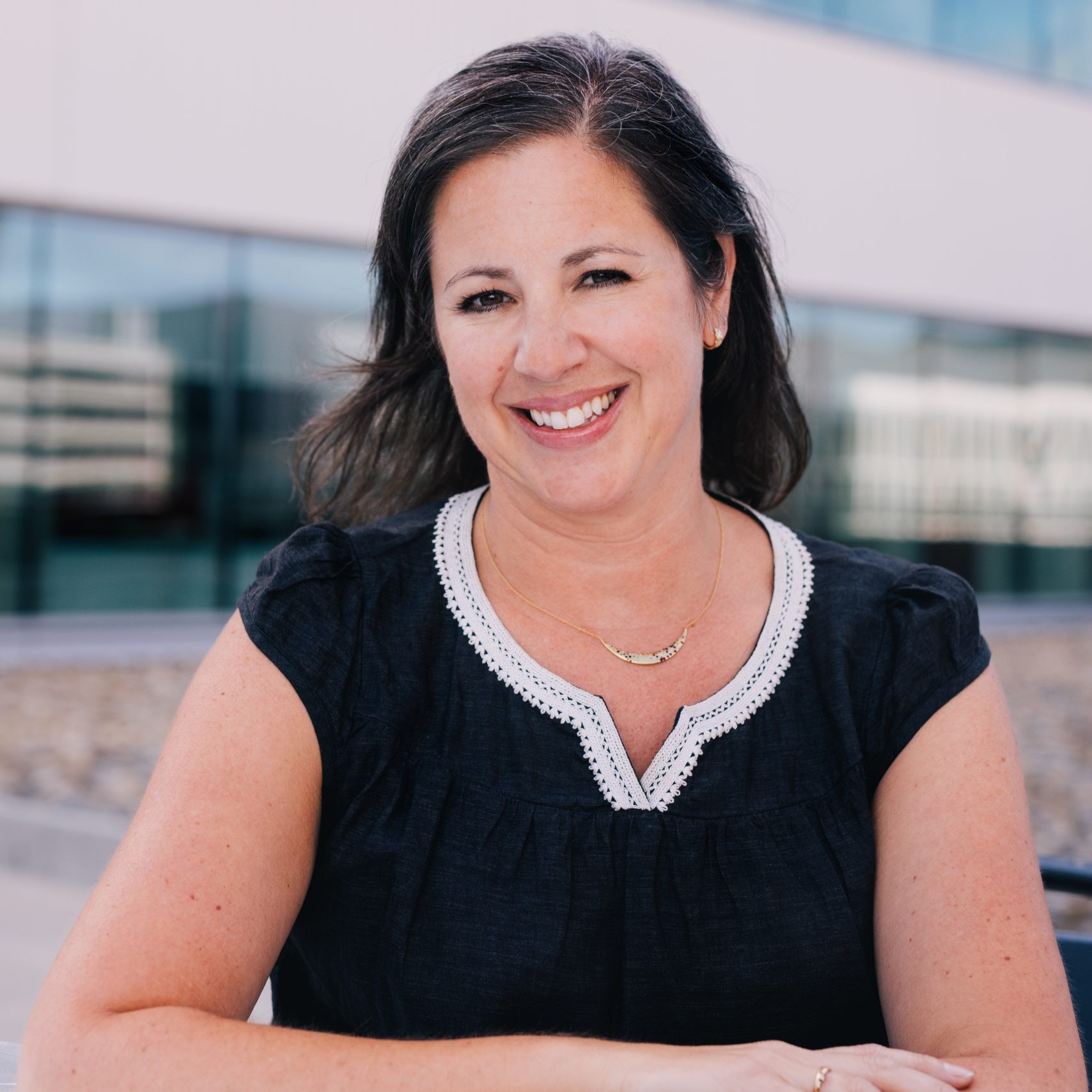
April 7, 2027
Living Your Best Life at Any Age
Dr. Perissinotto combines cutting-edge science with deeply human stories from decades of caring for older adults around the world, from the Bay Area to rural Mexico and Kenya. Her insights offer a hopeful and compassionate vision for how we can stay our healthiest selves, and how we can all age, care, and connect better together.
Carla Perissinotto, MD, MHS
Physician, Buck Institute; Professor, University of California, San Francisco
Dr. Carla Perissinotto is a nationally recognized geriatrician, educator, and advocate whose work has helped transform the way we think about aging, connection, and care for older adults. A professor of geriatrics at University of California, San Francisco, she has spent her career caring for some of the most vulnerable older adults, in clinics, hospitals, and in living rooms through home-based medical care programs that bring compassionate healthcare directly to patients.
Dr. Perissinotto is perhaps best known for her groundbreaking research on loneliness in older adults, work that sparked an international conversation about the powerful impact social connection has on health and well-being. A graduate of Barnard College, she received her MHS from Johns Hopkins University and her MD from Tufts University.
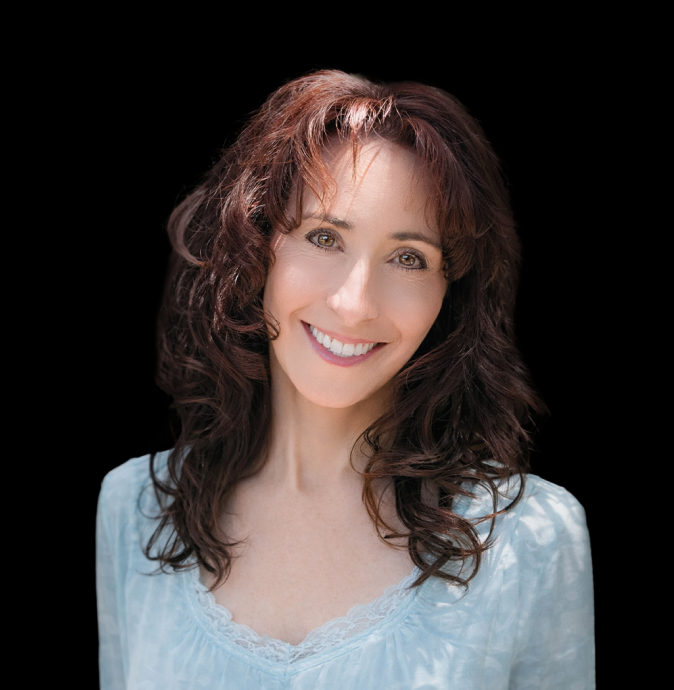
May 5, 2027
Stress Less, Live Better!
What can we do to support healthy longevity, optimal metabolism, and mental health? Dr. Epel studies the mental, social, and behavioral processes related to chronic psychological stress, how we can manipulate them for better health, and how to apply this basic science in everyday life. She will also talk about how meditation and “positive stress” can improve resilience and slow aging.
Elissa Epel, PhD
Professor, University of California, San Francisco
Elissa Epel, PhD, is the Sarlo-Ekman Chair of Human Emotions and Professor in the Department of Psychiatry and Behavioral Sciences at University of California, San Francisco, where she is also the Director of the UCSF Aging, Metabolism, and Emotions Center. An international expert on stress, wellbeing, and optimal aging, Dr. Epel is the best-selling author, with Nobel laureate Elizabeth Blackburn, of The Telomere Effect: A Revolutionary Approach to Living Younger, Healthier, Longer. Her most recent book is The Stress Prescription: 7 Days to More Joy and Ease.
Dr. Epel received her BA is psychology and psychobiology from Stanford and her PhD in psychology from Yale University. She is the author of close to 400 scientific papers and is recognized as among the top 1 percent of researchers globally.
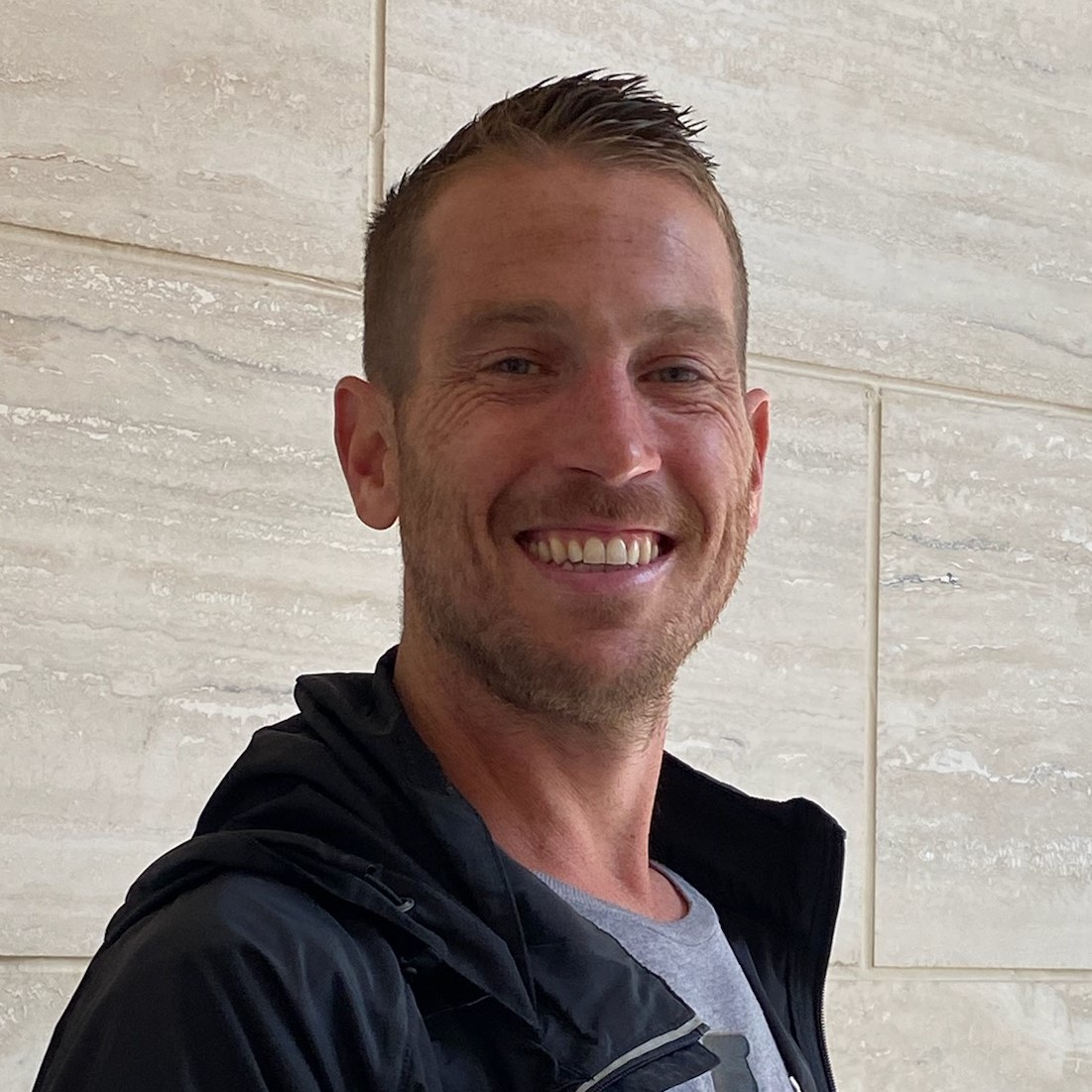
June 2, 2027
Stronger for Longer: New Discoveries in Muscle Health and Aging
Skeletal muscle makes up 30 to 40 percent of our body mass and plays a crucial role in how we age. Dr. Valentino will discuss how to support that muscle to maintain strength, mobility, and independence as we grow older. Drawing on cutting-edge research, he will discuss how the bacteria living in our gut may play an unexpected role in protecting our muscles as we age. He will share exciting new discoveries about how movement, the microbiome, and healthy aging are deeply connected, and provide practical advice for preserving your muscle health.
Taylor Valentino, PhD
Postdoctoral Fellow, Buck Institute
Taylor Valentino, PhD, a native of Novato, took a fun and winding road to a career in science. A member of Dan Winer’s lab, he studies how diet and exercise effect the immune system during aging. Taylor received his BS and MS in exercise physiology from San Francisco State and his PhD in Physiology from the University of Kentucky. When he’s not in the lab or getting additional tattoos, Taylor loves spending time with his wife and two daughters, running, discovering fresh new IPAs and crying during all the Pixar movies with his kids.
Past
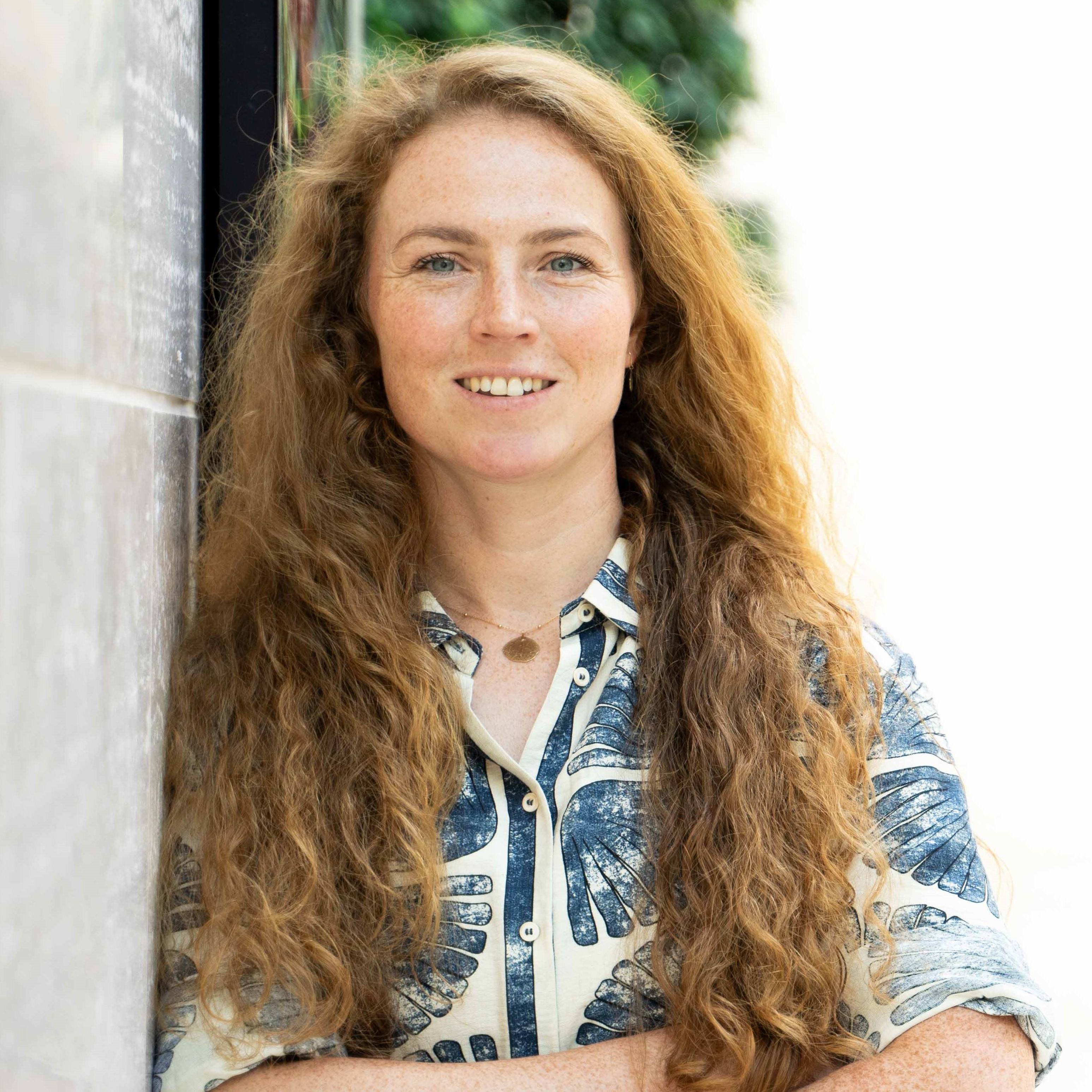
July 2, 2025
From the Lab to the Clinic: What We’re Learning in Buck Clinical Trials
Do you want to participate in a clinical trial that is investigating interventions for healthy aging, or just find out how what we’re learning can help you live better longer? Either way, you’ll want to hear what Dr. Stubbs has to say. She’ll share some of the results of our early studies and tell us what’s coming next.
Brianna Stubbs, PhD
Director of Translational Science, Buck Institute
Dr. Stubbs is a world expert in exogenous ketone metabolism and its implications for performance, resilience and healthspan. She completed her PhD in metabolic physiology at the University of Oxford, studying the metabolism and the application of exogenous ketone salts and esters. While completing her studies, she competed on the British International Rowing Team, and was a two-time world champion lightweight athlete. Dr. Stubbs is currently a Lead Translational Scientist at the Buck Institute where she is focused on the translation of Buck research into consumer products and drugs that target healthy aging.
August 6, 2025
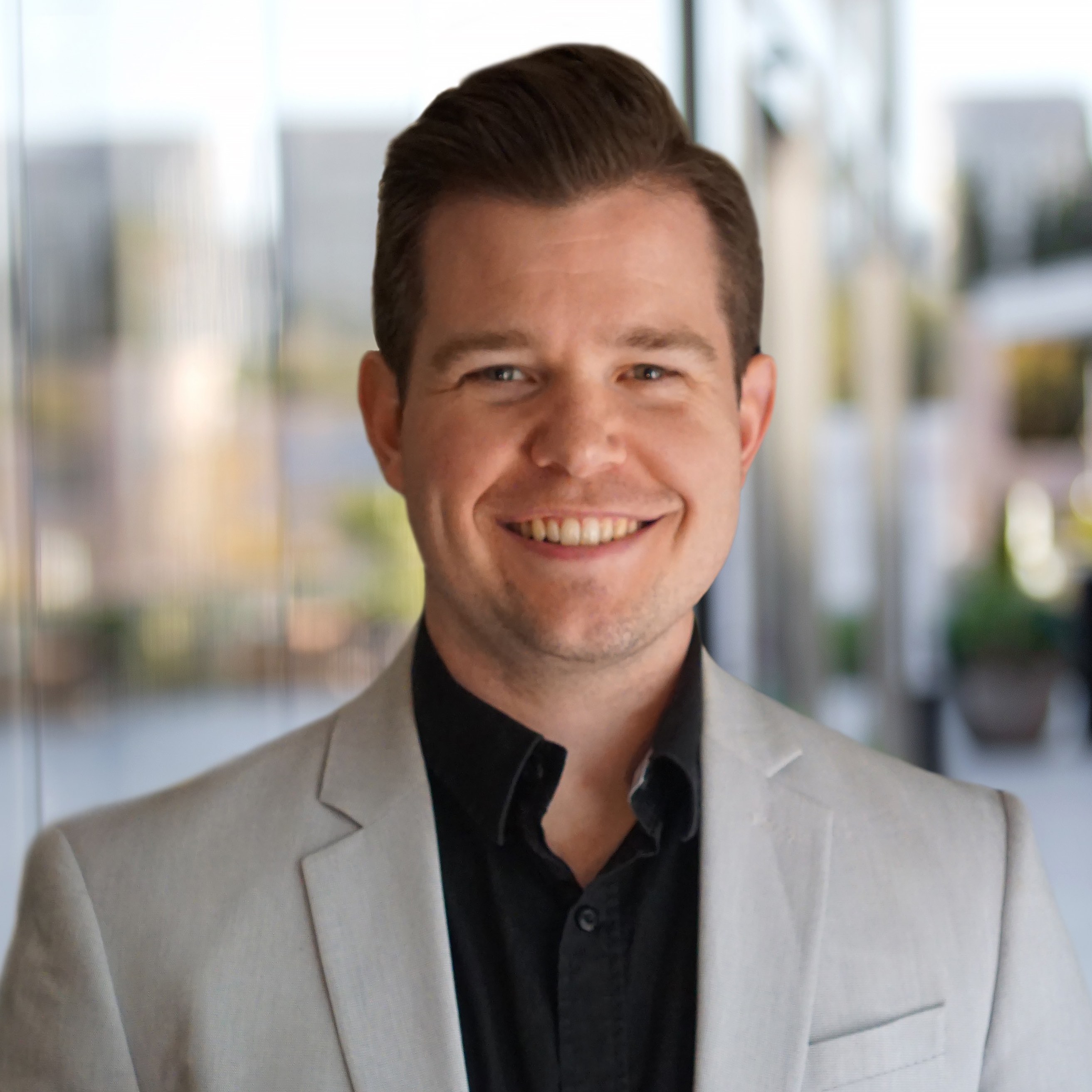
Taking the Measure of a Person Over Time
Physiologically, we are not the same person when we wake up in the morning as we were when we go to bed. Circadian rhythms matter and Dr. Yurkovich is leading an effort to understand how the complex systems that make up our body change throughout the day. (This may have an impact on things like when you should have surgery, for example!) Using an array of technologies and AI to capture an individuals’ data throughout multiple days, Dr. Yurkovich will explain what these tens of thousands of indicators could tell us about our health.
James Yurkovich, PhD
Research Assistant Professor, Buck Institute; Chief Innovation Officer, Phenome Health
Dr. Yurkovich holds a BS in Electrical Engineering from the University of Notre Dame and a PhD in Bioinformatics and Systems Biology from the University of California San Diego. During a career in biotech, he worked in systems biology focusing on understanding the healthy functioning and aging of the human musculoskeletal system. At Phenome Health, James spearheads new opportunities—technologies, computational methods, and collaborations—that bridge the gap between biology and technology. His interdisciplinary background spans mechanistic modeling, machine learning, network analysis, and dynamical systems theory.

September 3, 2025
How to Be Your Own Geriatrician
With a huge shortage of geriatricians, most older adults see general practitioners, who sometimes act is if treating a 77-year-old is the same as treating a 27-year-old. Dr. Newman, a practicing geriatrician, will give you tips on how to be the best advocate for your health. He’ll also suggest a pithy response for when your doctor asks, “What do you expect for someone your age?”
John Newman, MD, PhD
Associate Professor, Buck Institute
John Newman, MD, PhD, is an assistant professor at the Buck Institute and in the Division of Geriatrics at University of California San Francisco (UCSF). His career goal is to translate our expanding understanding of aging biology to improve the care for, and help maintain the independence of, older adults. His research at the Buck centers on the molecular details of how diet and fasting regulate the genes and pathways that in turn control aging.
Dr. Newman is also a geriatrician who cares for hospitalized older adults at UCSF focusing on preserving mobility and preventing delirium. He received his BS/MS from Yale University in molecular physics and biochemistry, and completed an MD/PhD at the University of Washington. He then completed a residency in internal medicine and fellowship training in geriatric medicine at UCSF.

October 1, 2025
How Did Our Bodies End Up This Way?
We take a little detour off the beaten path today to explore what evolutionary biology can tell us about our bodies. By exploring the past and looking at different species, we can shed light on the present and future of our health. It will be an intriguing look at the mysteries of the body through an evolutionary lens.
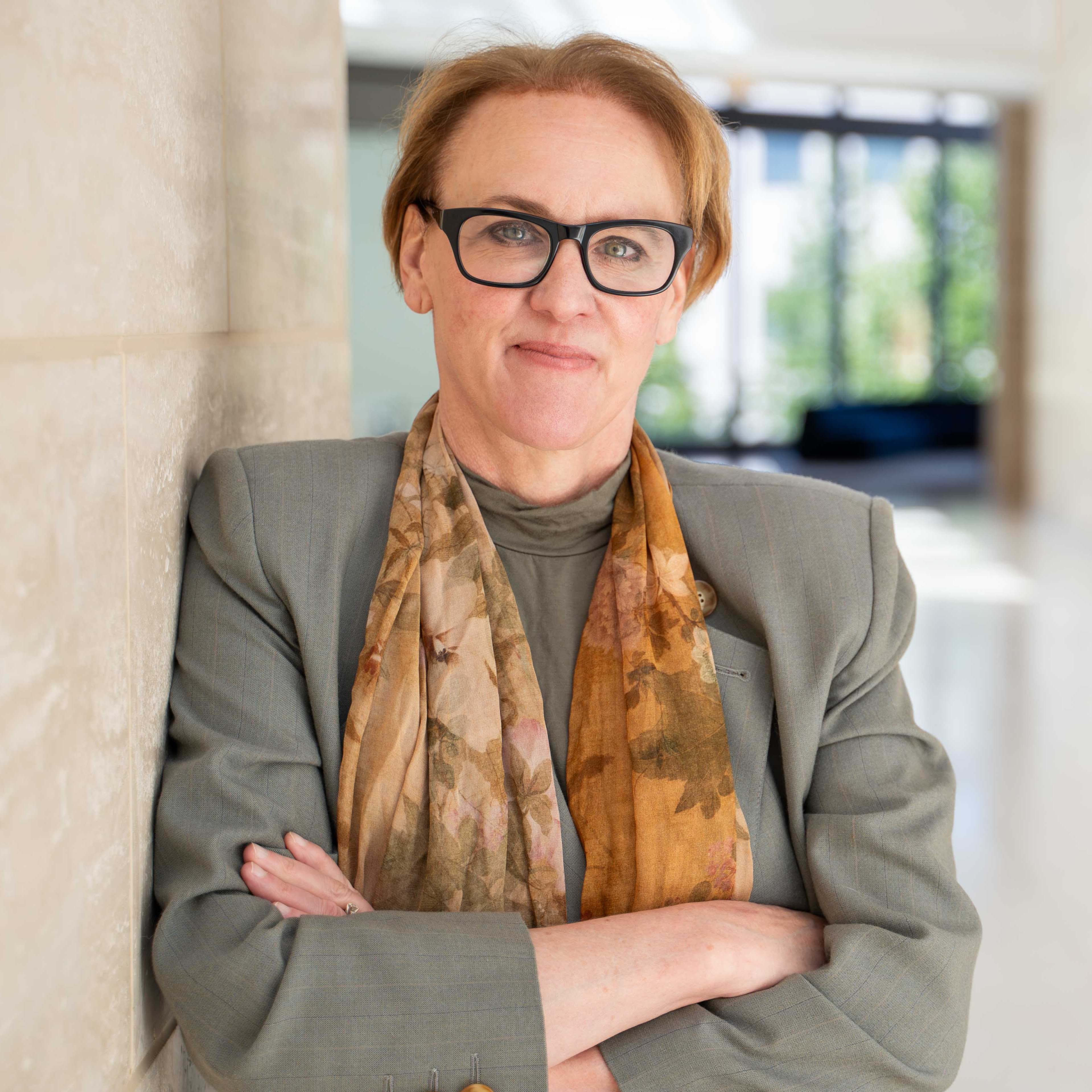
Deena Emera, PhD
Senior Scientist and Writer in Residence, Buck Institute
Dr. Emera is a Senior Scientist in the Center for Healthy Aging in Women at the Buck. She has a unique training and research background, with a bachelor’s from UC Berkeley in Integrative Biology and Middle Eastern Studies, a master’s from SFSU in Secondary Education, a master’s from NYU in Physical Anthropology, and a PhD from Yale in Ecology and Evolutionary Biology. Dr. Emera completed her postdoctoral fellowship in genetics at the Yale School of Medicine. She has published academic articles on a range of topics, including on the evolution of the brain, hand, and uterus. Much of her research has focused on the evolution of female biology, which is the subject of her book “A Brief History of the Female Body: An Evolutionary Look at How and Why the Female Form Came to Be.”
November 5, 2025
How Close Are we to Real Treatments for Neurodegenerative Diseases?
Pharmaceutical companies have spent untold billions of dollars looking for cures for Alzheimer’s and Parkinson’s diseases. Why have their efforts failed? What is the outlook for real disease-altering drugs, and what can we do to preserve our brain health in the meantime? Dr. Andersen will sort out where we stand in the quest.
Julie Andersen, PhD
Professor, Buck Institute
Dr. Andersen received her PhD from the Department of Biological Chemistry in the David Geffen School of Medicine at UCLA. She received additional research training in the Department of Neurogenetics at Massachusetts General Hospital in Boston. Prior to arriving at the Buck Institute, Dr. Andersen held a faculty position in the School of Gerontology at USC.
Dr. Andersen has published more than 170 scientific papers and holds three current patents. She has been recognized for her research with a Parkinson’s Pioneer Award from the National Parkinson’s Foundation, a Glenn Award for Research in Biological Mechanisms of Aging, and a senior scholarship from the Ellison Medical Foundation.She has extensive experience working with both biotech companies and medical foundations, including Roche, the Michael J. Fox Foundation, the National Parkinson’s Disease Foundation, and the American Parkinson’s Disease Foundation.
December 3, 2025
Personalized Medicine and Behavior Change
Advances in medicine mean we are getting closer and closer to our doctors being able to hand us a personalized treatment plan. In addition to drugs and supplements, such a plan would also suggest what we should – and shouldn’t – eat, and how much to exercise. Yet we know a lot of this already – and we’re still not doing it! Dr. Lovejoy brings her experience with behavioral coaching to give you tips on how to stick to your plan for optimizing your wellness.
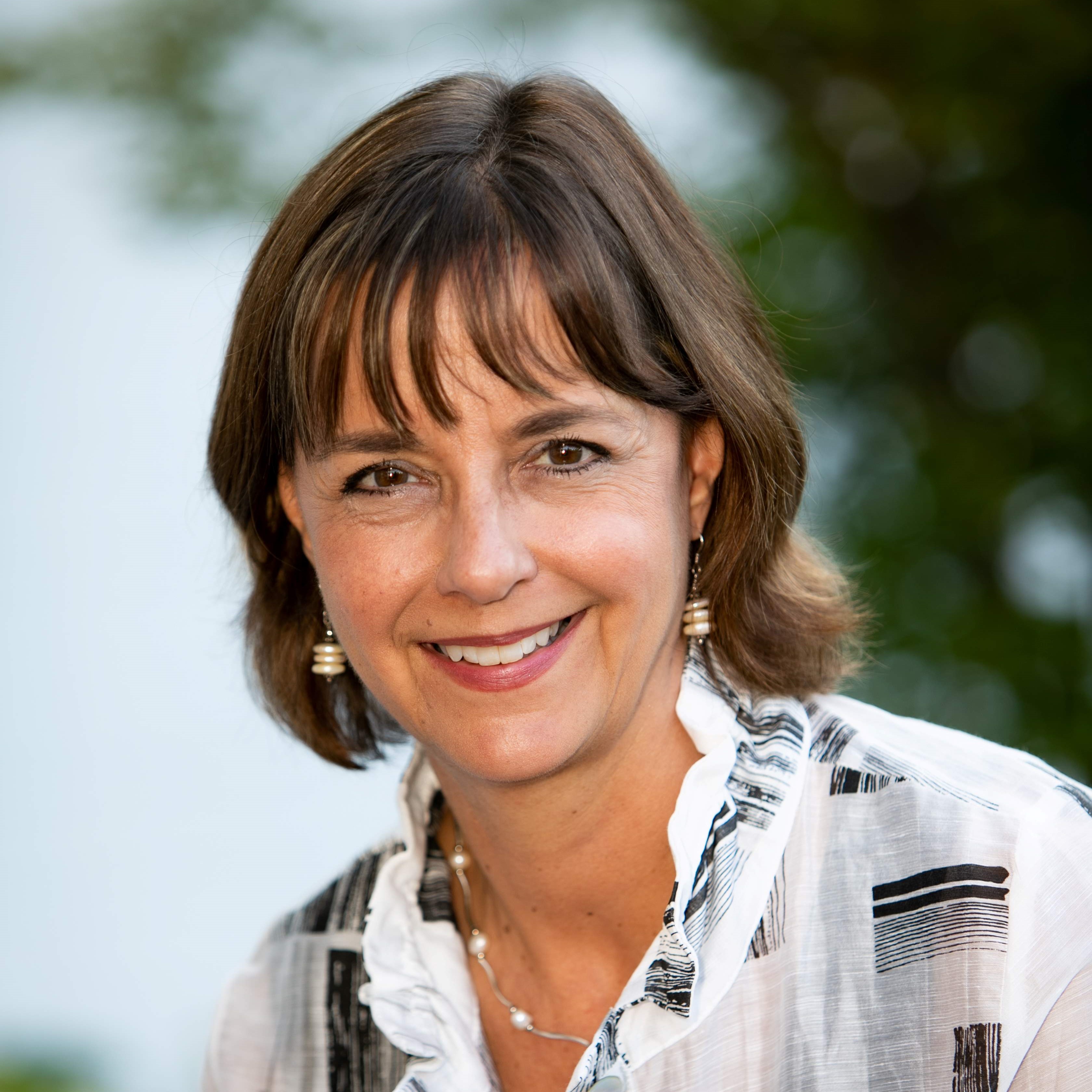
Jennifer Lovejoy, PhD
Translational and Behavioral Scientist, Phenome Health
Dr. Lovejoy is a translational and behavioral scientist with deep experience in personalized medicine and behavior change. She holds a BS in zoology from Duke University and MS and PhD degrees in physiological psychology from Emory University, where she also did postdoctoral training in endocrinology and metabolism at its school of medicine. During her academic career, Dr. Lovejoy held the Manship Endowed Professorship in Diabetes at the Pennington Biomedical Research Center, Louisiana State University. She currently holds affiliate faculty appointments at the Institute for Systems Biology and Washington State University’s Elson S Floyd College of Medicine. More recently, Dr. Lovejoy has held senior executive roles in several health and wellness companies.
January 7, 2026
Out With the Old, In with the New
Dr. Hansen studies autophagy, which is a fancy word for your body’s built-in recycling system—it cleans out damaged or worn-out parts of your cells and turns them into fresh energy or building blocks for new cells. Think of it as cellular spring cleaning that keeps you healthy from the inside out. Scientists are excited about autophagy because it plays a key role in aging and diseases like Alzheimer’s, cancer, and heart disease. Dr. Hansen will talk about how, by boosting this natural process, we might be able to slow aging and help people live longer, healthier lives.
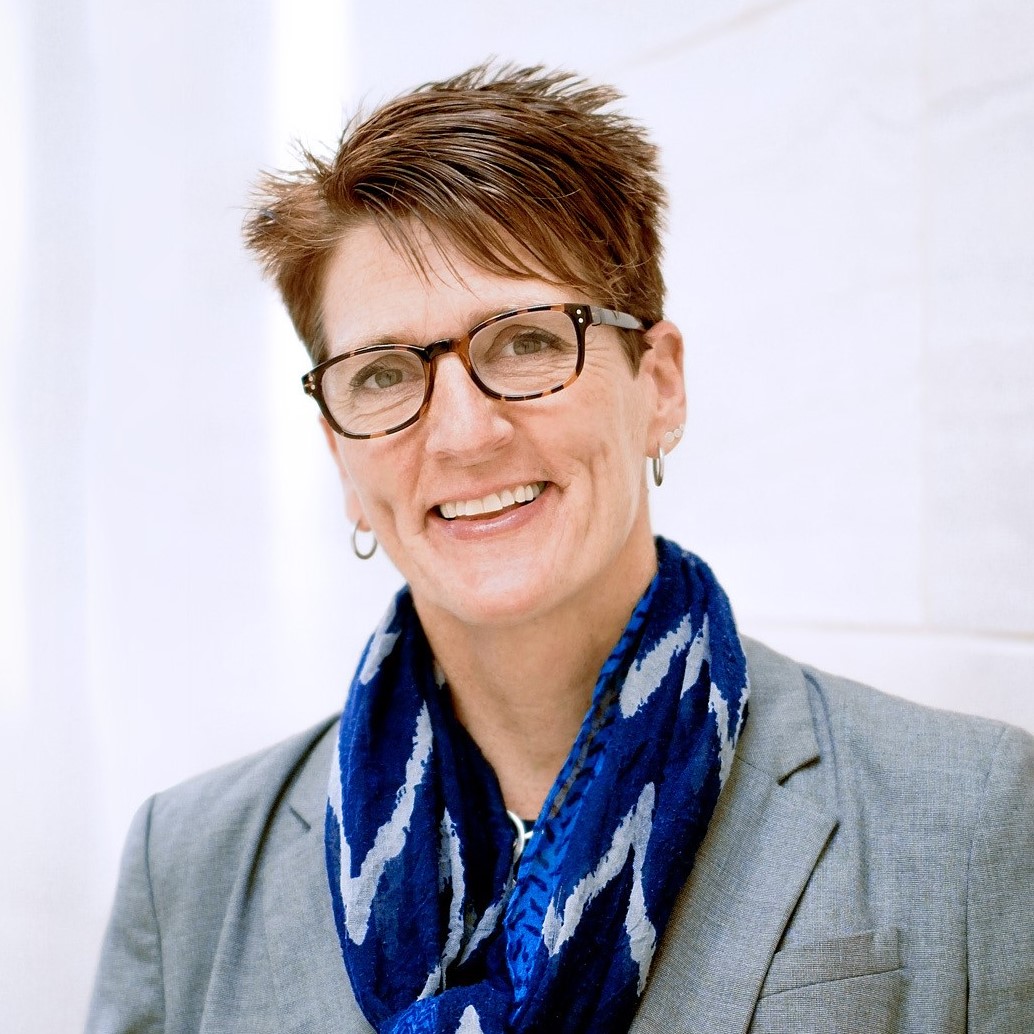
Malene Hansen, PhD
Chief Scientific Officer and Professor, Buck Institute
Dr. Hansen was born and raised in Denmark and received her MSc and PhD from Copenhagen University. Moving to the US, she did her postdoctoral studies in the laboratory of Professor Cynthia Kenyonat the University of California, San Francisco. Dr. Hansen established her laboratory in 2007 at Sanford Burnham Prebys Medical Discovery Institute in La Jolla, CA, studying molecular mechanisms of aging, and joined the Buck Institute in 2021 as Chief Scientific Officer and faculty member. Dr. Hansen has been recognized for her research throughout her career, including an Ellison Medical Foundation New Scholar in Aging Award, a Glenn Award for Research in Biological Mechanisms of Aging, a Julie Martin Mid-Career Award in Aging Research and a Breakthrough in Gerontology Award supported by the Ellison Medical Foundation and American Association for Aging Research (AFAR).
February 4, 2026
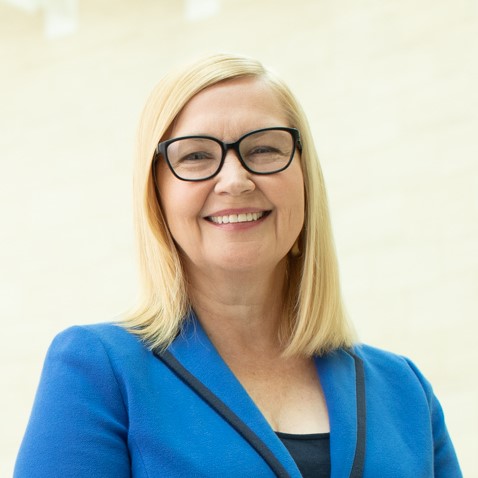
Advancements in the Prevention of Cognitive Decline
As we get older, many people face brain-related diseases like Alzheimer’s and Parkinson’s which can seriously affect memory, movement, and overall quality of life. Dr. Ellerby is working to uncover what causes these conditions as we age—and more importantly, how to stop them. Using cutting-edge tools like stem cells made from patient samples, genetic analysis, and even gene editing (like CRISPR), she’s digging deep to understand what goes wrong in the brain and finding new ways to treat or prevent these diseases.
Lisa Ellerby, PhD
Professor, Buck Institute
Dr. Ellerby grew up in the Bay Area and received her PhD in chemistry from the University of California, Santa Cruz. She carried out her postdoctoral training at the University of California, Los Angeles. Dr.Ellerby is a founding faculty member at the Buck Institute.
Dr. Ellerby has published more than 100 scientific papers and holds more than eight patents. She has served on the National Institutes of Health study group for over 15 years and also serves on review boards for numerous nonprofits, including the Huntington’s Disease Society of America, French National Research Agency, National Ataxia Foundation, and Hereditary Disease Foundation. She was an editorial board member of the Journal of Biological Sciences for 15 years and is currently an associate editor for the Journal of Huntington’s Disease. Dr. Ellerby has experience working with biotech companies and has been funded by companies such as BioMarin.
March 4, 2026
The Future of Research on Aging is Now
Seemingly every day brings a claim of a new miracle drug or treatment to help us live better longer. Which supplements should we take? Is a daily sauna a good thing, or how about a cold plunge? And how many steps are we supposed to get in again? Dr. Verdin will take the 30,000-foot view of all the advice and help us sort out what’s fact and what’s fiction.
Eric Verdin, MD
President & CEO, Professor, Buck Institute
A native of Belgium, Dr. Verdin received his Doctorate of Medicine from the University of Liege and completed additional clinical and research training at Harvard Medical School. He has held faculty positions at the University of Brussels, the National Institutes of Health, the Picower Institute for Medical Research, and the Gladstone Institutes. Dr. Verdin is also currently a professor of medicine at University of California, San Francisco.
In 2016, Dr. Verdin established his lab at the Buck to study the relationship between aging and the immune system. He is an elected member of several scientific organizations including the American Association for the Advancement of Science, the American Society for Clinical Investigation, and the Association of American Physicians. He has published more than 270 scientific papers and holds 18 patents.

April 1, 2026
Taking Control of Your Health
Marin resident Dean Ornish is one of the pioneers of taking a lifestyle-driven approach to heart disease and other chronic diseases. Dr. Ornish’s lifestyle medicine program remains the only one ever scientifically proven in peer-reviewed randomized trials to prevent and often reverse the progression of heart disease. He’ll discuss how it may also improve cognition and function in early-stage Alzheimer’s patients.
Dean Ornish, MD
Founder and President, Preventive Medicine Research Institute and Clinical Professor of Medicine, University of California, San Francisco
Dr. Ornish is known as “the father of lifestyle medicine.” Dr. Ornish is the author of 7 books, all national bestsellers. His main-stage TED.com talks have been viewed by almost 7 million people. The research that he and his colleagues conducted has been published in the leading medical journals. Dr. Ornish was appointed by President Clinton to the White House Commission on Complementary and Alternative Medicine Policy and by President Obama to the White House Advisory Group on Prevention, Health Promotion, and Integrative and Public Health
The “Ornish diet” has been rated “#1 for Heart Health” by U.S. News & World Report for 12 years since 2011. Among a host of awards, Dr. Ornish has been honored as “one of the 125 most extraordinary University of Texas alumni in the past 125 years;” by TIME magazine as a “TIME 100 Innovator” and also as a “TIME 100 Most Influential Global Health Leader;” chosen by LIFE magazine as “one of the fifty most influential members of his generation;” received the Buck Institute Longevity Award; was a New Yorker cartoon and two Jeopardy answers; and recognized by Forbes magazine as “one of the world’s seven most powerful teachers.”

May 6, 2026
Scientific Wellness to Unlock Longer, Healthier Lives
By combining big data, advanced AI, and deep biological insights, Dr. Price is uncovering how genetics, lifestyle, and environment interact over time to drive aging and disease. He is developing personalized tools—like “digital twins” and AI-powered health analyzers—that can simulate your unique biology and suggest tailored strategies to help you thrive.
Nathan Price, PhD
Professor and Co-Director, Center for Human Healthspan, Buck Institute
Dr. Price’s academic career includes previous positions as Professor and Associate Director of the Institute for Systems Biology, and Assistant Professor at the University of Illinois, Urbana-Champaign. He has authored over 210 peer-reviewed publications and delivered more than 250 talks and keynotes. Dr. Price is co-author with biotechnology pioneer Lee Hood of a 2023 bestselling book, The Age of Scientific Wellness, published by Harvard University Press. In 2019, he was named one of the 10 Emerging Leaders in Health and Medicine by the National Academy of Medicine, and in 2021 was appointed to the Board on Life Sciences of the National Academies of Sciences, Engineering, and Medicine.
Dr. Price’s expertise extends beyond academia into the business world. He is also the Chief Scientific Officer of Thorne, a science-driven wellness company that serves approximately 5 million customers and 50,000 health-care practitioners. Previously he was Co-CEO of Onegevity, an AI health intelligence startup company that merged with Thorne. He received his BS in chemical engineering at BYU and his MS and PhD degrees in bioengineering at the University of California, San Diego.
June 3, 2026
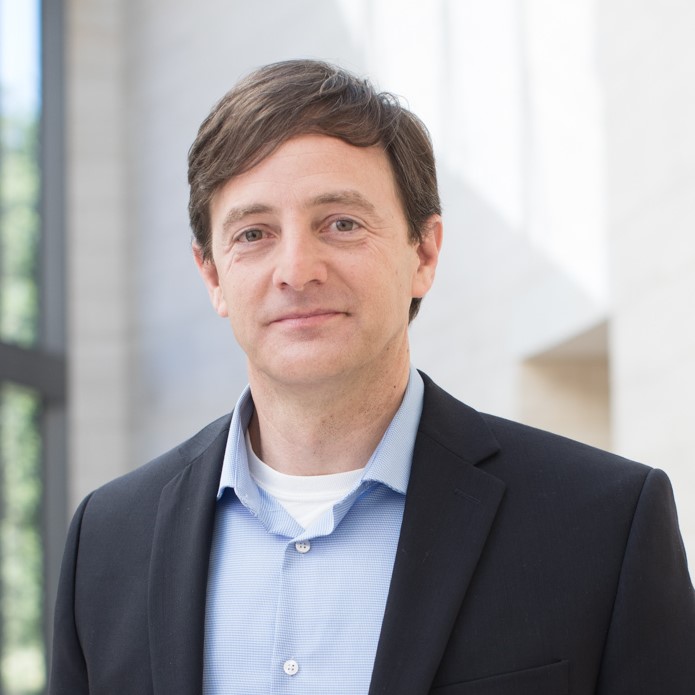
So, When Will All These Breakthroughs Be in My Medicine Cabinet?
We’ve all heard “Schoolhouse Rock” explain how a bill becomes a law, but how does a scientific discovery become a drug? Spoiler alert: it’s a much longer and windier road than the legislative process. Remy Gross, a trained chemist who has overseen bringing 11 drugs to market (which have resulted in sales of over $180 billion), explains the fascinating journey and why only 1 out of every 5,000 drug candidates makes it across the finish line. He’ll also talk about how supplements are treated much differently, and what that may mean for you.
Remy Gross, III
Executive Vice President, Buck Institute
Remy Gross started his career in the drug delivery and specialty pharmaceutical industry. He built the development, pre-clinical, clinical and commercial development and manufacturing at Shearwater Corporation as its VP, Operations, and then moved to President of Inhale Therapeutic Systems. Gross joined the Buck in 2005 and took the Technology Transfer office from having no licenses/partnerships to licensing out over 84% of its patent portfolio. He has advised and helped create multiple new biopharmaceutical startups at Buck, such as Unity Biotechnology (UBX), Aeovian Therapeutics (over 80M raised), BhB Therapeutics (over 40M raised) and multiple others.
July 1, 2026
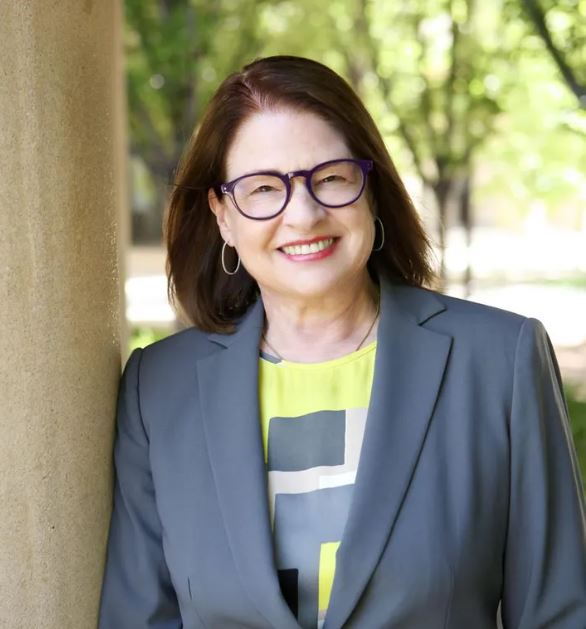
Older People are Happier!
Dr. Carstensen’s research focuses on understanding how wellbeing affects our healthspans and lifespans – and why older people tend to be happier! What is the goal of living longer anyway? Dr. Carstensen believes it’s not simply to celebrate a number, but to do something meaningful with the time we have. She has studied how our experience of aging has changed over time, and why the cultural response to aging needs to catch up if we hope to flourish as a society.
Laura Carstensen, PhD
Founding Director, Stanford Center on Longevity
Laura Carstensen is Professor of Psychology at Stanford University where she is the Fairleigh S. Dickinson Jr. Professor in Public Policy and founding director of the Stanford Center on Longevity. Her research on the theoretical and empirical study of motivational, cognitive, and emotional aspects of aging has been funded continuously by the National Institute on Aging for more than 30 years. Carstensen is an elected member of the National Academy of Medicine and the American Academy of Arts and Sciences. She is the author of A Long Bright Future: Happiness, Health, and Financial Security in an Age of Increased Longevity. Her TED talk “Older People are Happier” has been viewed more than one million times. Carstensen received her BS from the University of Rochester and her PhD in Clinical Psychology from West Virginia University.
August 5, 2026
How to Be Your Own Geriatrician
There’s a huge difference between a 75-year-old body and one that is just 30-years old, yet most doctors treat them the same way! (Aging is a topic not generally covered in medical school.) Given the critical shortage of geriatricians in this country, most of us will continue to see a general practitioner as we age. Dr. Newman is back with useful tips on how to be the best advocate for your own health, advice on medications and mobility, and suggestions for witty retorts when your doctor asks “What do you expect for someone your age?”
John Newman, MD, PhD
Associate Professor, Buck Institute
John Newman, MD, PhD, is an assistant professor at the Buck Institute and in the Division of Geriatrics at University of California San Francisco (UCSF). His career goal is to translate our expanding understanding of aging biology to improve the care for, and help maintain the independence of, older adults. His research at the Buck centers on the molecular details of how diet and fasting regulate the genes and pathways that in turn control aging.
Dr. Newman is also a geriatrician who cares for hospitalized older adults at UCSF focusing on preserving mobility and preventing delirium. He received his BS/MS from Yale University in molecular physics and biochemistry, and completed an MD/PhD at the University of Washington. He then completed a residency in internal medicine and fellowship training in geriatric medicine at UCSF.
September 2, 2026
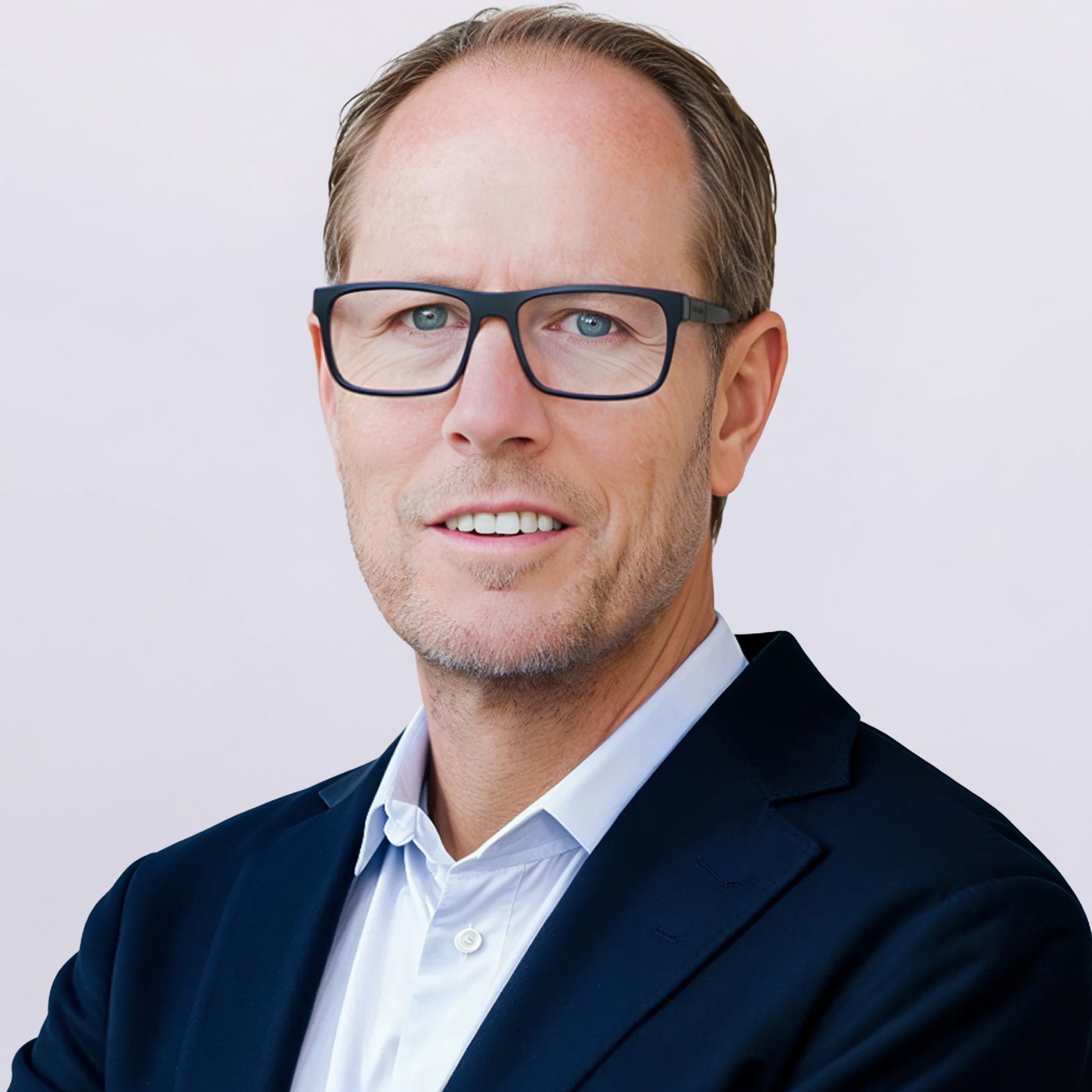
Brain Aging May Be More Malleable Than We Thought
Discover the connection between blood, inflammation, and the aging brain as Dr. Wyss-Coray delves into the future of brain health and longevity. His groundbreaking research shows how factors circulating in the blood can influence memory, cognitive decline, and Alzheimer’s disease, and why scientists now believe aspects of brain aging may be far more modifiable than once imagined.
Tony Wyss-Coray, PhD
Professor, Stanford University
Tony Wyss-Coray is the D.H. Chen Distinguished Professor of Neurology and Neurological Sciences and Director of the Phil and Penny Knight Initiative for Brain Resilience at Stanford University. A leading researcher in brain aging and Alzheimer’s disease, his work has helped reveal how factors circulating in the blood can influence brain health, cognitive function, and neuroinflammation, and even rejuvenate aging brains in laboratory studies. His lab combines cutting-edge genetics, cell biology, and multi-omics approaches to better understand how the body and brain communicate during aging. Wyss-Coray has spoken at Global TED, the World Economic Forum, and other major international forums, was named to Time magazine’s “Health Care 50” list of influential innovators, and has co-founded several biotechnology companies focused on Alzheimer’s disease and neurodegeneration.
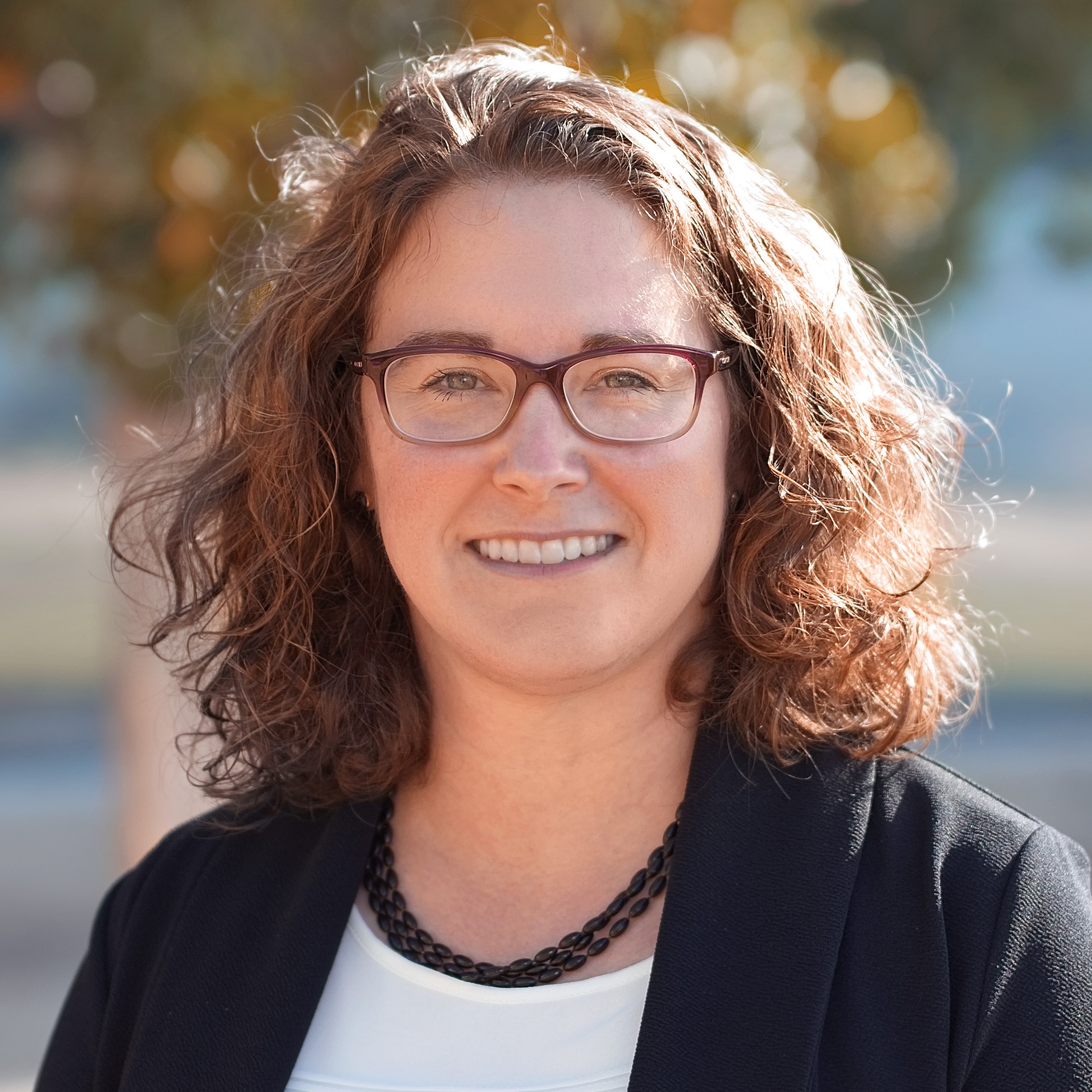
October 7, 2026
What the Ovary Teaches Us About Aging – For Females and Males
The female reproductive system is the first to age in the human body and will affect every single woman. This has profound implications for women’s lifelong health. Case in point: while women live longer than men, they spend more years in poor health. A leading researcher in women’s healthy aging, Dr. Duncan clearly lays out how women are not just “little men” by focusing on the loss in endocrine function that accompanies ovarian aging. Her work aims to improve the healthspan of women by studying how alterations in the ovarian environment contribute to overall aging and by developing therapeutic interventions to address those changes.
Francesca Duncan, PhD
Associate Professor in Residence, Buck Institute; Associate Professor, Northwestern University
Francesca Duncan is an Associate Professor of Obstetrics and Gynecology at Northwestern University Feinberg School of Medicine and an Associate Professor in Residence at the Buck Institute for Research on Aging. A leading expert in reproductive aging, her research focuses on how aging affects fertility, egg quality, and ovarian health, as well as the development of new approaches to reproductive medicine and non-hormonal contraception. She has published more than 110 scientific papers, with her work featured by outlets including CNN Health, the Today Show, the Wall Street Journal, Bloomberg News, and National Geographic, and has received numerous honors for her contributions to reproductive science and education.
Sponsors
MEDIA

SEMINAR SPONSORS


PROGRAM SPONSORS








Directions
The Buck Institute is located 25 miles north of the Golden Gate Bridge.
San Francisco Airport/San Francisco/South Bay:
- Take Highway 101 North across the Golden Gate Bridge
- Take the last Novato exit — Atherton/San Marin Drive (just north of the DeLong exit)
- Turn left at the stoplight, and go west over the freeway overpass
- Get in the right lane, and turn right at the second stoplight onto Redwood Boulevard
- Go approximately ½ mile, and turn left onto Buck Center Drive
- At the top of the hill, turn left into the Visitor Parking Lot
Berkeley/Oakland/Oakland International Airport:
- Take Highway 80 to Highway 580 West, and cross the Richmond/San Rafael Bridge
- Take 580 until it merges with Highway 101 North in San Rafael
- Take the last Novato exit — Atherton/San Marin Drive (just north of the DeLong exit)
- Turn left at the stoplight, and go west over the freeway overpass
- Get in the right lane, and turn right at the second stoplight onto Redwood Boulevard
- Go approximately ½ mile, and turn left onto Buck Center Drive
- At the top of the hill, turn left into the Visitor Parking Lot
From Sonoma County, take Highway 101 South:
- Take the first Novato exit (Atherton/San Marin Drive)
- Turn right at the stoplight, and stay in the right lane
- Take an immediate right onto Redwood Boulevard
- Go approximately ½ mile, and turn left onto Buck Center Drive
- At the top of the hill, turn left into the Visitor Parking Lot
Support the Buck
We rely on donations to support the science that we believe will add years to people's lifespan and decades to their healthspan.