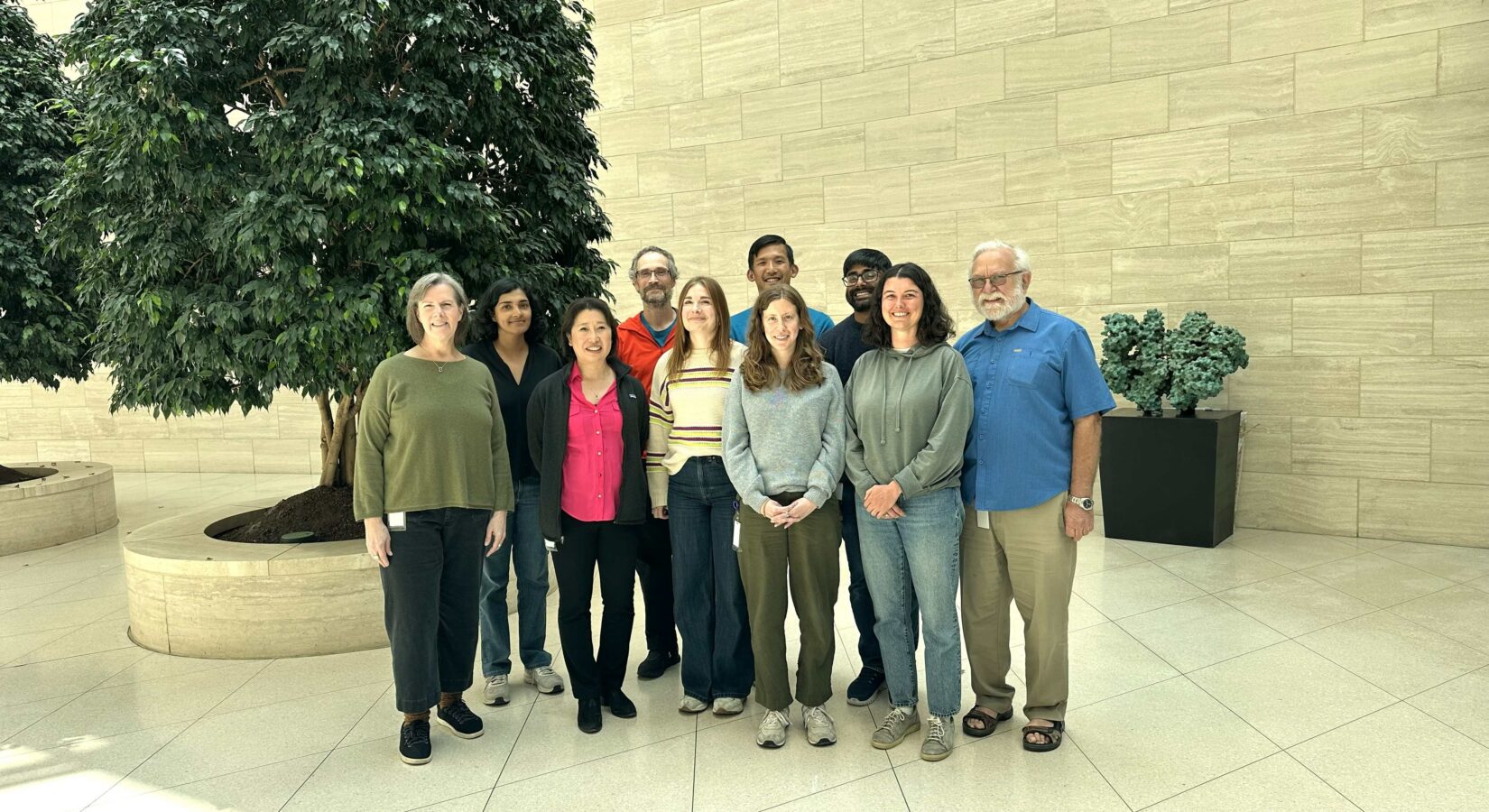
WALTER LAB
Lab focus
The Walter Lab investigates how cells detect and respond to stress, with particular focus on the fundamental surveillance systems represented by the signaling networks of the Unfolded Protein Response (UPR) and the Integrated Stress Response (ISR). The lab explores the machinery and molecular mechanisms that control protein synthesis, folding, and targeting, and explores how organelles communicate to regulate their abundance and health, using approaches that range from atomic resolution structural work and biochemical reconstitution to genetics in the intact organism.
Why it matters
When cellular quality control systems fail, the consequences are profound — contributing to Alzheimer's and Parkinson's disease, cancer, diabetes, and other pathologies that increase with age. By illuminating the molecular logic of the cell’s stress pathways that sense these deviations from homeostasis, the Walter Lab opens new windows onto the biology of aging and points toward novel therapeutic strategies. The lab's discovery of ISRIB, a small-molecule inhibitor of the ISR, has already demonstrated the ability to restore brain health in numerous animal models of cognitive dysfunction, illustrating how basic discoveries in the field can translate into transformative medicine.
Personally, I consider it a crowning highlight of my career that some aspects of the basic knowledge that we have accumulated over the years are being translated into tangible benefits for humankind. Yet, importantly, none of the tremendous opportunities that we now hold in our hands were obvious when we started on our journey; they only emerged gradually as we playfully and tenaciously followed the turns of the meandering and serendipitous paths of discovery.
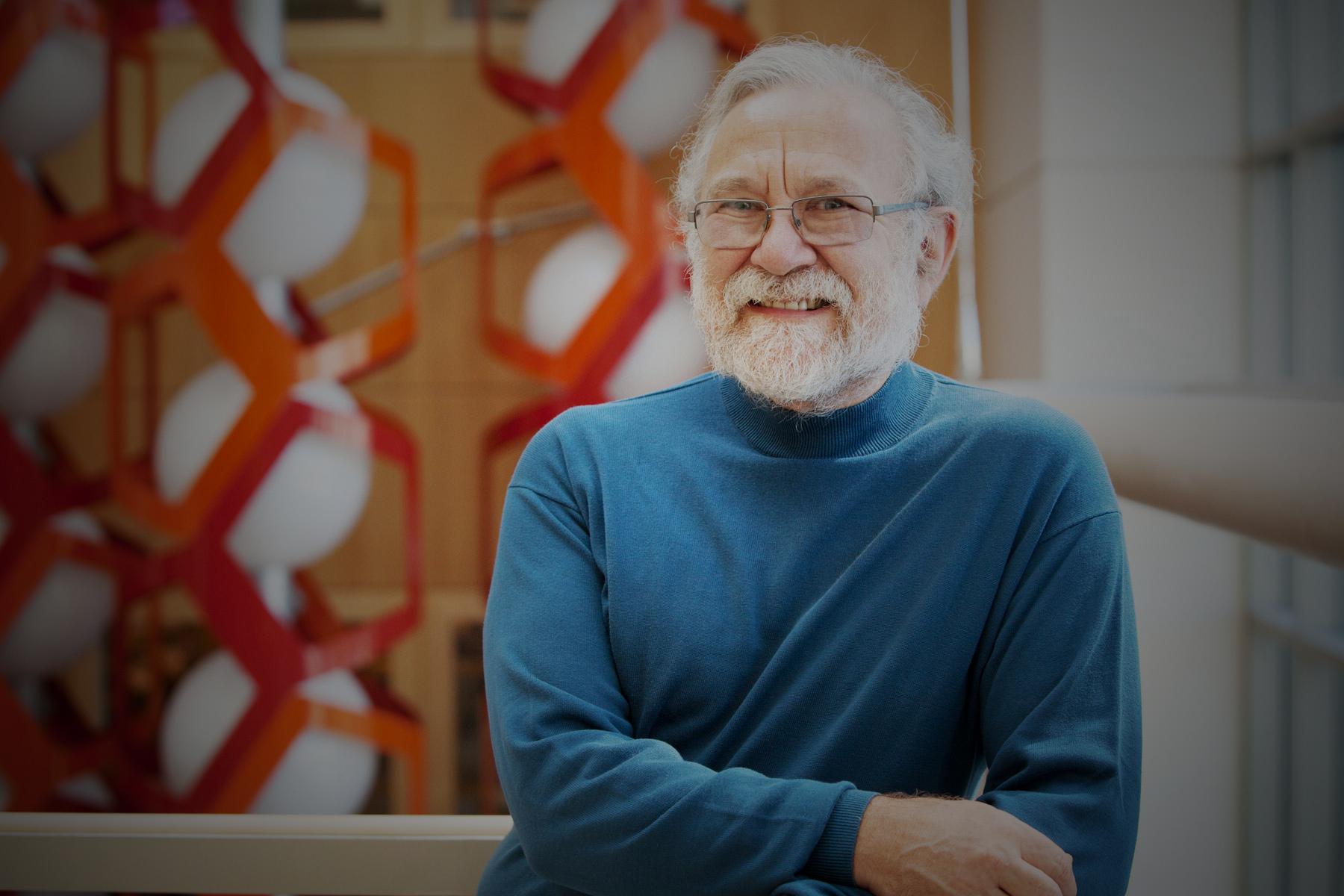
Peter Walter, PhD
LAB DETAILS
Peter Walter is a Professor and Director of the Cell Health Initiative at the Buck Institute for Research on Aging. His career has centered on understanding the molecular systems that keep cells healthy — work that has shaped how biologists think about fundamental cellular processes.
Dr. Walter is a Distinguished Professor Emeritus of Biochemistry and Biophysics at the University of California, San Francisco, and an Investigator Emeritus of the Howard Hughes Medical Institute. A native of Germany, Dr. Walter began his studies at the Freie Universität Berlin before coming to the United States as an international exchange student, earning his MSc in Organic Chemistry from Vanderbilt University in 1977. Drawn by a growing fascination with cell biology, he completed his PhD in Biochemistry in 1981 at Rockefeller University under Nobel laureate Günter Blobel, where he made a landmark discovery: the signal recognition particle, a universally conserved molecular machine that directs the correct localization of proteins within cells.
Dr. Walter joined the faculty of UCSF in 1983, where he rose through the ranks to serve as Department Chair from 2001 to 2008. In 2021, Dr. Walter co-founded Altos Labs, serving as the Founding Institute Director of its Bay Area Institute of Science, and Distinguished Investigator until 2025.
Dr. Walter’s laboratory is best known for uncovering the unfolded protein response, a sophisticated cell signaling network that dynamically adjusts a cell’s protein-folding capacity in response to demand. This process is fundamental to all eukaryotic life and plays a central role in numerous diseases ranging from cancer and diabetes to neurodegeneration.
He is a highly cited scientist whose work has been recognized with numerous distinguished honors, including the Lasker Award, the Breakthrough Prize, the Shaw Prize, the Gairdner Award, and the BBVA Foundation Frontiers of Knowledge Award in Biology and Biomedicine, among many others.
Dr. Walter is an elected member of the National Academy of Sciences, the National Academy of Medicine, and the American Academy of Arts and Sciences. He is also a co-author of two of the most widely used textbooks in molecular biology — Molecular Biology of the Cell and Essential Cell Biology.
-
 Diego Acosta-Alvear, PhD Investigator
dacosta@buckinstitute.org
-
 Morgane Boone, PhD Senior Scientist
mboone@buckinstitute.org
-
 Zach Cogan, PhD Postdoctoral Researcher
zcogan@buckinstitute.org
-
 Loan Doan Senior Research Associate
ldoan@buckinstitute.org
-
 Pascal Egea, PhD Principal Scientist
Pascal is a protein chemist and structural biologist with a passion for understanding how changes in the structure and function of molecules and biological membranes affect cellular health in the context of disease or aging. He earned his PhD in Structural Biology and Molecular Biophysics in France, where he studied structure–function relationships in retinoic acid receptors. He further developed his expertise in protein crystallography and membrane protein biochemistry during his postdoctoral training in the laboratories of Robert Stroud and Peter Walter at UCSF, where he elucidated key molecular mechanisms of membrane protein targeting and biogenesis by the signal recognition particle and its associated translocon, as well as the structure of the UPR sensor Ire1. He then joined the faculty at UCLA, where he studied the architecture and function of ER–membrane contact sites in non-vesicular lipid transport, along with the unique mechanisms of effector protein translocation in the malarial pathogen Plasmodium falciparum. Before joining the Buck Research Institute, he briefly moved into industry, rejoining Peter Walter’s group at Altos Labs, where he contributed to several projects focused on cellular health and resilience in the context of the integrated stress response, nuclear envelope maintenance during aging, and Alzheimer’s disease. In his free time, he enjoys CrossFit, swimming, running, gardening, and spoiling cats.
pegea@buckinstitute.org
-
 Christine Genero Chief of Staff
Christine is a systems thinker with a genuine passion for research-focused organizational development and programs. After a career in education, Christine followed her curiosity and earned her BS in Human Development with concentrations in neuroscience and cognitive development from Cornell. Her strong interest in the interplay of environment, development and well-being led her into studying effects & interventions for low-resource environments on childrens’ learning and development at Cornell, UC Berkeley and Wested. Christine joined the Walter lab at UCSF in 2013 and has supported Peter and lab through many adventures including the start up of Altos Lab as Chief of Staff and then Senior Program Manager. Outside of the Buck, Christine is active in Bay Area Queer community organizations and politics. In the summer she can be found enjoying lake time with her family.
cgenero@buckinstitute.org
-
 Tsan-Wen Lu, PhD Senior Scientist
Though trained as a structural biologist and biochemist, Tsan-Wen discovered a deep passion for cell biology, a transition that now defines his scientific perspective. His current research focuses on the intricate "survival logic" of the cell—specifically how it manages and overcomes cellular stress. His academic journey began at National Taiwan University as an organic chemist, followed by a PhD at UCSD with Prof. Susan Taylor and extensive postdoctoral training with Dr. Peter Walter and Adam Frost. Outside the laboratory and away from the microscope, Tsan-Wen is an outdoor enthusiast who stays active through CrossFit, biking, and hiking. Whether he is exploring local coffee shops and bakeries, attending music festivals, or spending quality time at the park with friends, he brings the same energy to his personal life as he does to his research.
tlu@buckinstitute.org
-
 Vania Morales Villanueva Research Associate
vmorales@buckinstitute.org
-
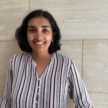 Rukmini Mukherjee, PhD Scientist II
rmukherjee@buckinstitute.org
-
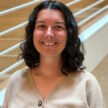 Chari Noddings, PhD Scientist II
Chari is a biochemist and structural biologist interested in cellular stress response pathways and proteostasis. Chari earned her PhD from UCSF with Dr. David Agard, investigating the mechanisms of protein folding by the molecular chaperones Hsp90 and Hsp70. Chari joined Dr. Peter Walter at Altos Labs working on the Unfolded Protein Response sensor ATF6a. Outside of the lab she likes to ski, surf, swim, and spend time with her dog.
cnoddings@buckinstitute.org
-
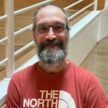 Voytek Okreglak, PhD Principal Scientist
Voytek is a cell biologist with a long standing interest in deciphering the molecular underpinnings of the interconnectivity of cellular subsystems. Voytek earned his PhD from UC Berkeley with David Drubin, investigating the role of actin dynamics in endocytosis. He then did a post-doc with Peter Walter where he identified a new quality control pathway acting at the surface of mitochondria. After his work with Peter he joined Dan Gottschlings group at Calico where he discovered that vacuolar pH is oscillatory with the cell-cycle. Outside of the lab, Voytek is climbing and/or hiking with his family.
vokreglak@buckinstitute.org
-
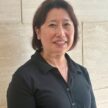 Po-Lin So, PhD Head of Scientific Operations
pso@buckinstitute.org
-
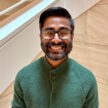 Advait Subramanian, PhD Senior Scientist
Advait is a mechanistic cell biologist and biochemist who is passionate to understand how cellular homeostasis is fundamentally controlled and maintained in response to a constantly changing internal and external environment. Prior to joining the Cell Health Initiative at the Buck Institute, he worked as a Scientist at Altos Labs Inc.and has postdoctoral research experience from the University of California at San Francisco and the Italian National Research Council in Naples, Italy. Outside of the lab, Advait enjoys cooking, is a practicing Tang Soo Do martial artist, and occasionally acts in Improv shows.
asubramanian@buckinstitute.org
-
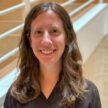 Hannah Toutkoushian, PhD Scientist II
Hannah is a biochemist and cell biologist who studies mechanisms of translational control during stress. Prior to joining the Buck Institute, she did her PhD at the University of California San Francisco in Peter Walter’s lab and was a scientist at Altos Labs. When she’s not in lab, she’s going on hikes with her dog, playing soccer, or watching a cult documentary.
htoutkoushian@buckinstitute.org
LAB GALLERY