
by Buck Institute
March 16, 2026 . BLOG
Tom Johnson, PhD:
An Appreciation for a Giant of Geroscience
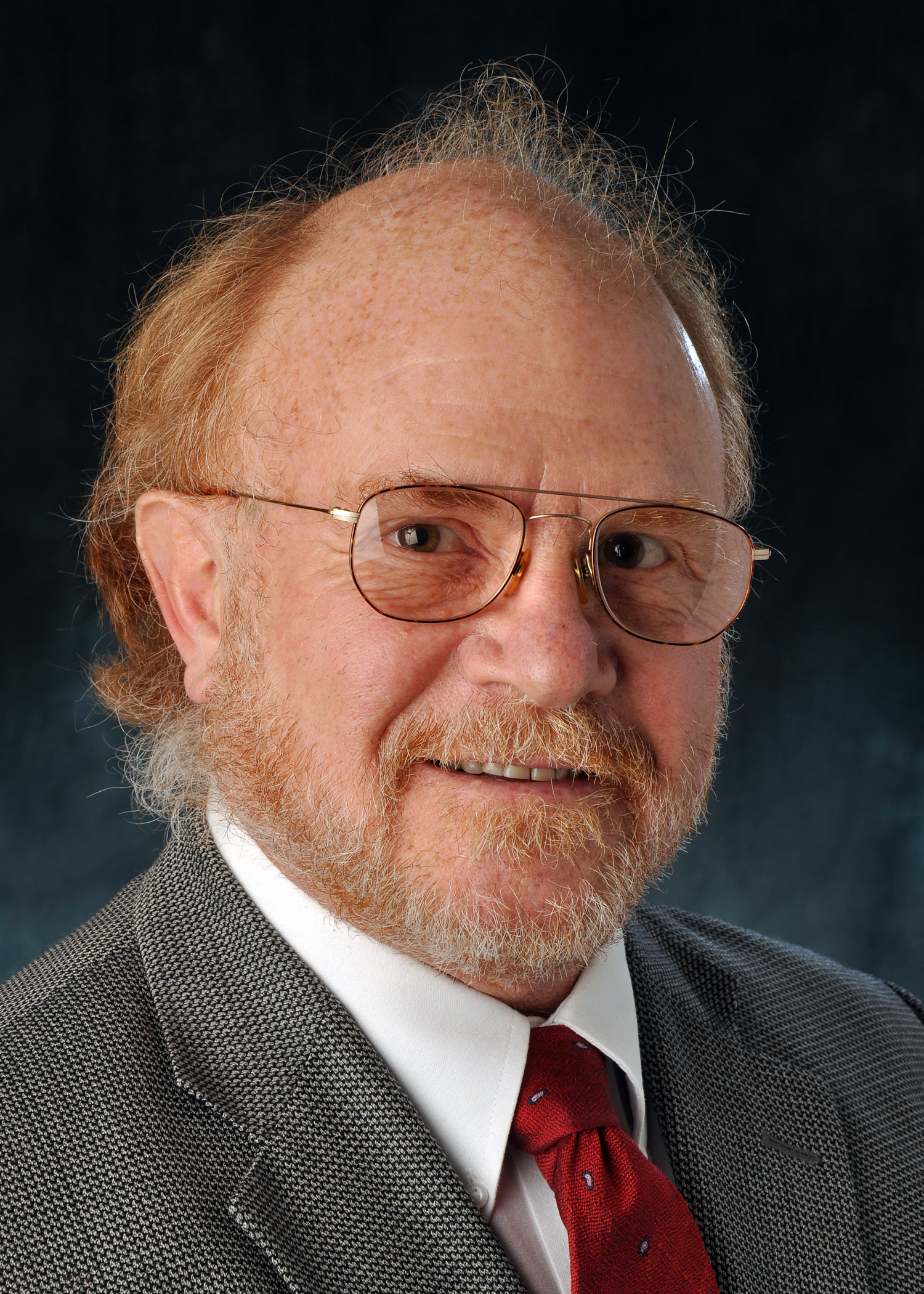
(Photo by Glenn J. Asakawa/University of Colorado)
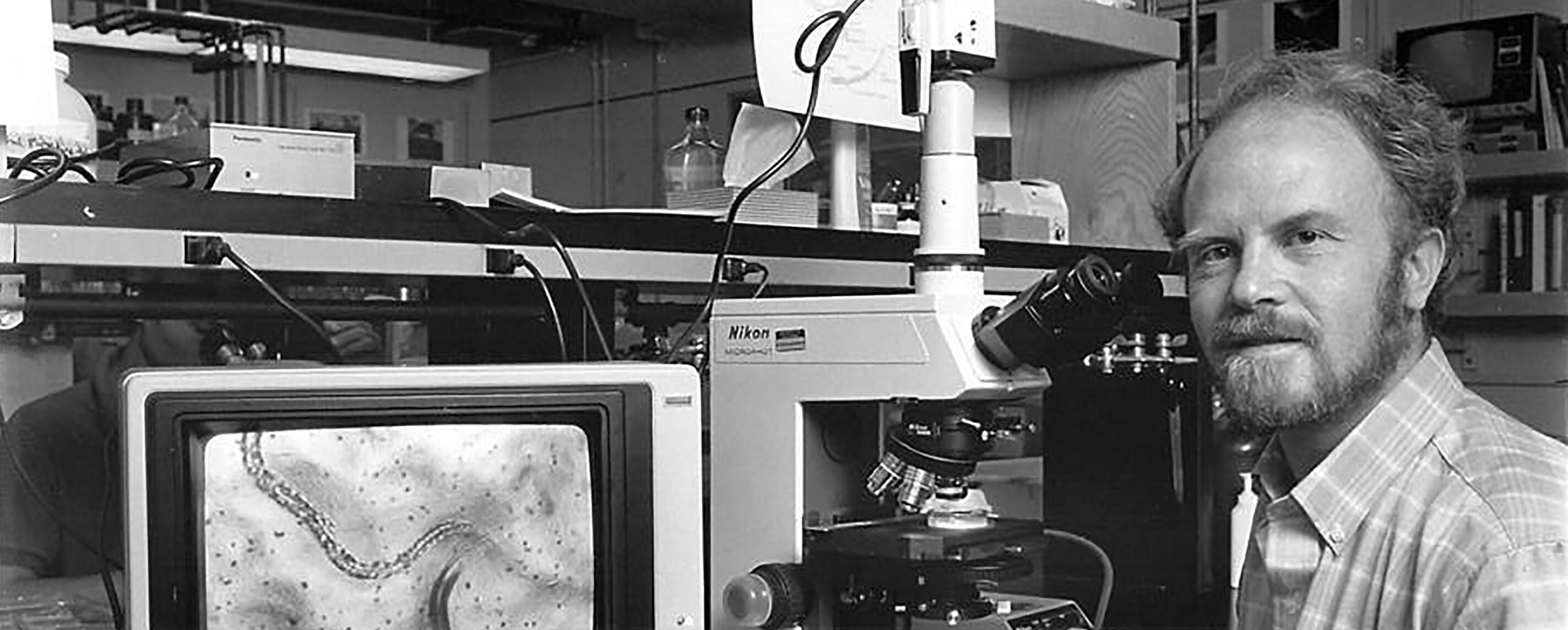
Last month saw the passing of Thomas “Tom” E. Johnson, a giant in establishing the study of aging as a legitimate field in which one could manipulate lifespan itself, long thought of as impossible.
In studying the history of technology and science, it’s difficult to imagine the world without key discoveries. So it is, with the work undertaken by Tom. In the mid-1980’s, aging was viewed as a messy part of biology with the involvement of thousands of genes and difficult to study. By the end of the decade, for those few paying attention to Tom’s work, it had radically changed forever.
In a series of four publications, Tom disrupted everything. In the first, he showed by selectively breeding nematode worms, he could produce large effects on longevity. In the next three papers he built on work by Mike Klass, to ultimately show mutations in a single gene were enough to extend lifespan by over 50%
This was unheard of, and frankly not believed by many researchers. Two researchers who later became foundational pieces of the Buck Institute, Gordon Lithgow and Simon Melov were all in and made their way to Tom’s lab at the University of Colorado in Boulder to begin their careers in research on aging.
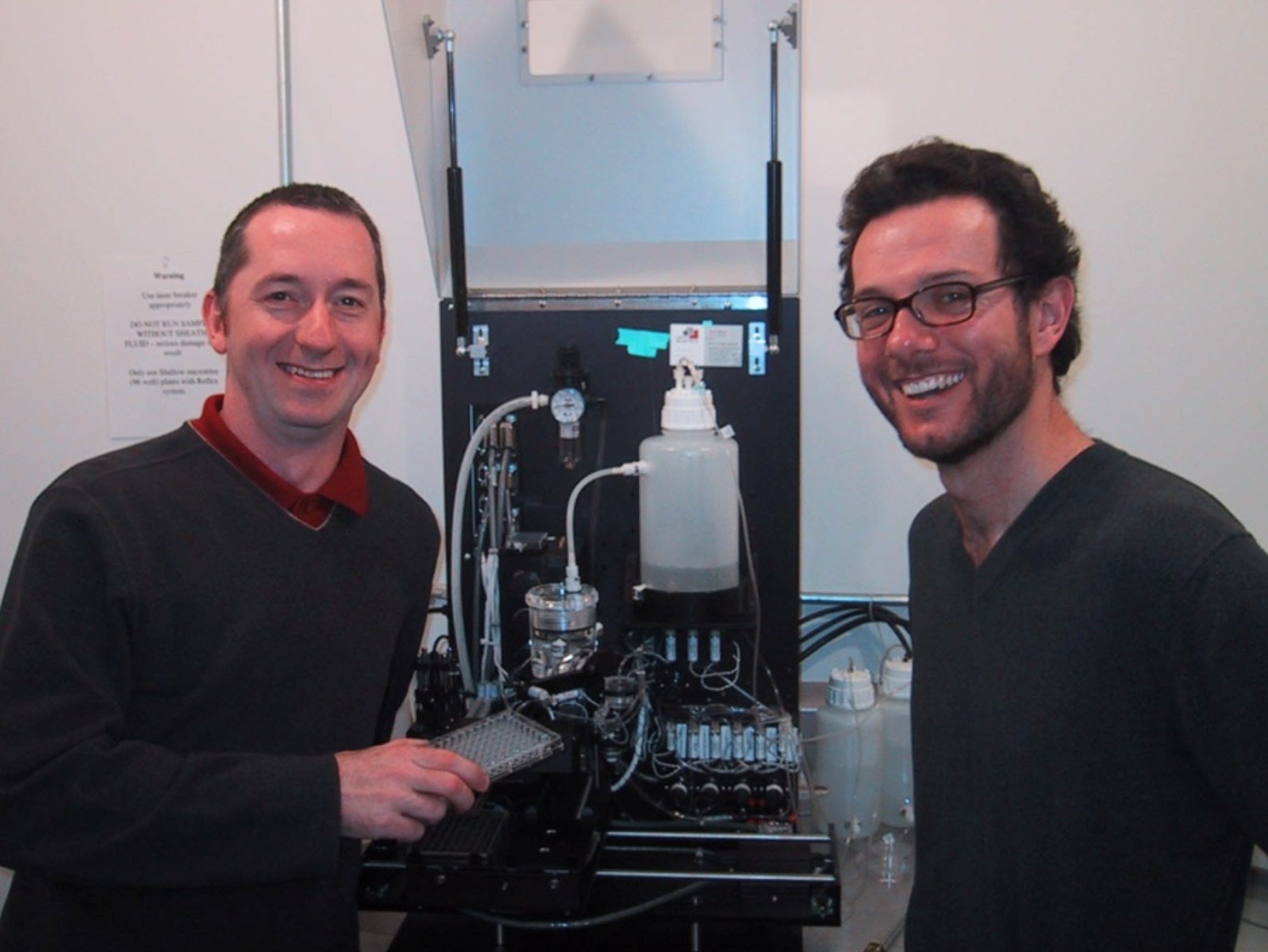
Dr. Gordon Lithgow and Dr. Simon Melov in 2001
As a young graduate student in the early 1990s, Dr. Melov recalls searching for a laboratory where he could pursue his passion for understanding the biology of aging—the genes or mechanisms that ultimately limit lifespan and an explanation for why we grow old. At the time, many established academics he turned to for career advice believed that studying aging was “junk science,” and warned that him that he would be “throwing his life away” if he went down that path.
Dr. Melov picks up the story of his journey here: “While spending long hours reading journals in the library, I came across Tom’s lab. It stood out as one of the few groups performing direct, mechanistic experiments on aging in model organisms. Tom’s approach—treating aging itself as a phenotype and using genetics to directly extend lifespan—immediately resonated with me.
I even consulted a future Nobel Prize winner about the idea of joining Tom’s lab. His advice was blunt: Tom was ‘crazy,’ and I should work on something respectable, like developmental biology. Like many young scientists given advice which seems contradictory to your central goal, it served as a stimulus. Instead of abandoning the idea, I wrote to Tom directly and asked whether he accepted postdoctoral fellows from overseas. I will always be grateful that he took the time to respond and ultimately offered me a position in his lab. That opportunity launched my career in the biology of aging.
Tom’s openness to new ideas and his commitment to careful, rigorous experimentation set an example that has shaped my scientific approach ever since. His mentorship helped start what has now been nearly forty years of research into the biology of aging—an extraordinary and rewarding journey.”
The evidence is now clear that Tom Johnson’s lab made one of the most important discoveries of the 20th century, laying the groundwork for geroscience, upon which the intellectual foundation of the Buck Institute has been built.
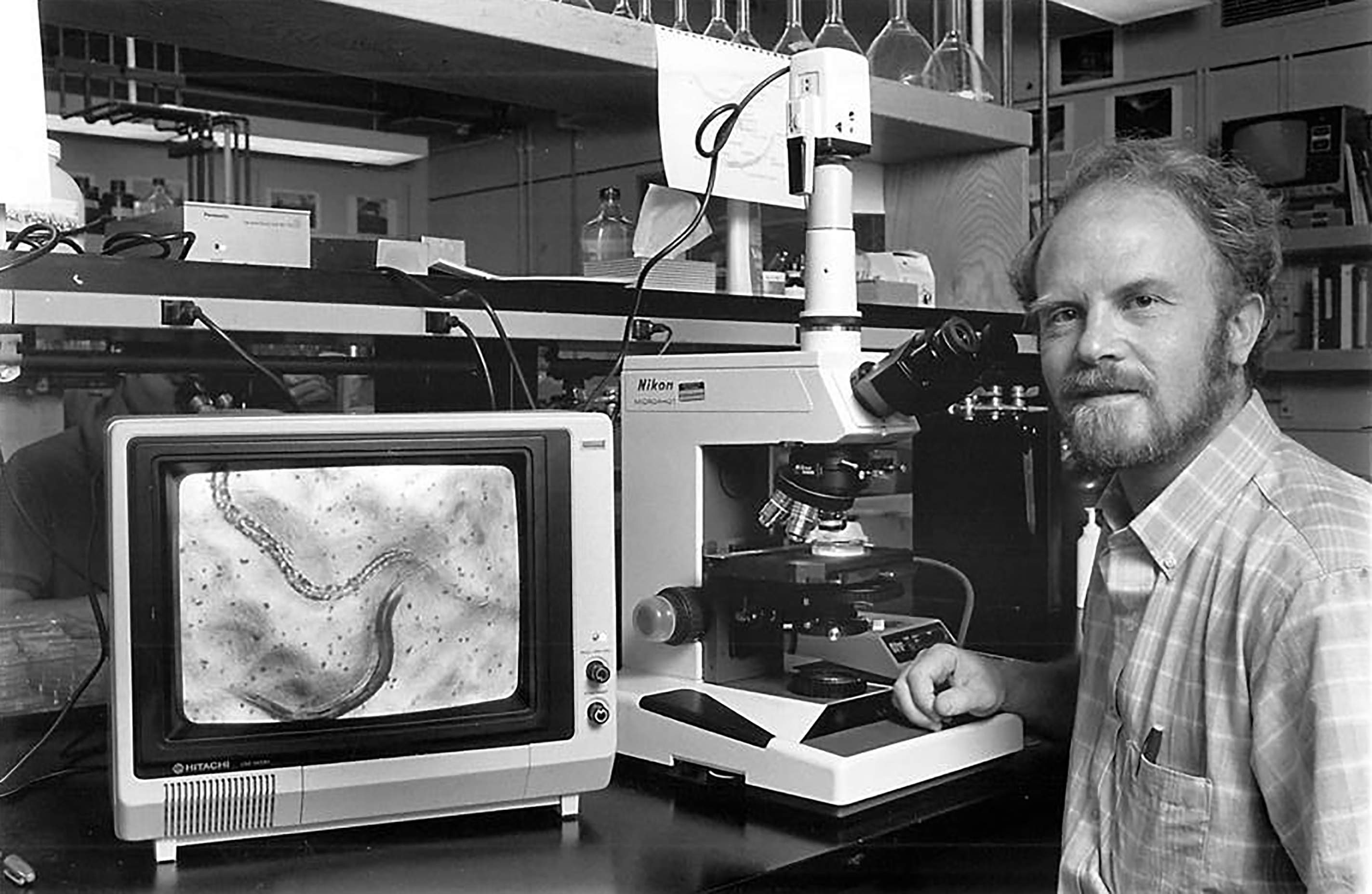
HANDOUT PHOTO: Tom Johnson studies the worm C. elegans in the late 1990s. (University of Colorado Boulder)
SHARE