

by Buck Institute
March 11, 2026 . BLOG
Faces of Discovery:
Vineeta Tanwar, PhD
At the Buck, our breakthroughs are powered by people. Faces of Discovery, a monthly installment to the Buck Blog, introduces the scientists unraveling the mysteries of aging and pioneering ways to help us all live better longer.
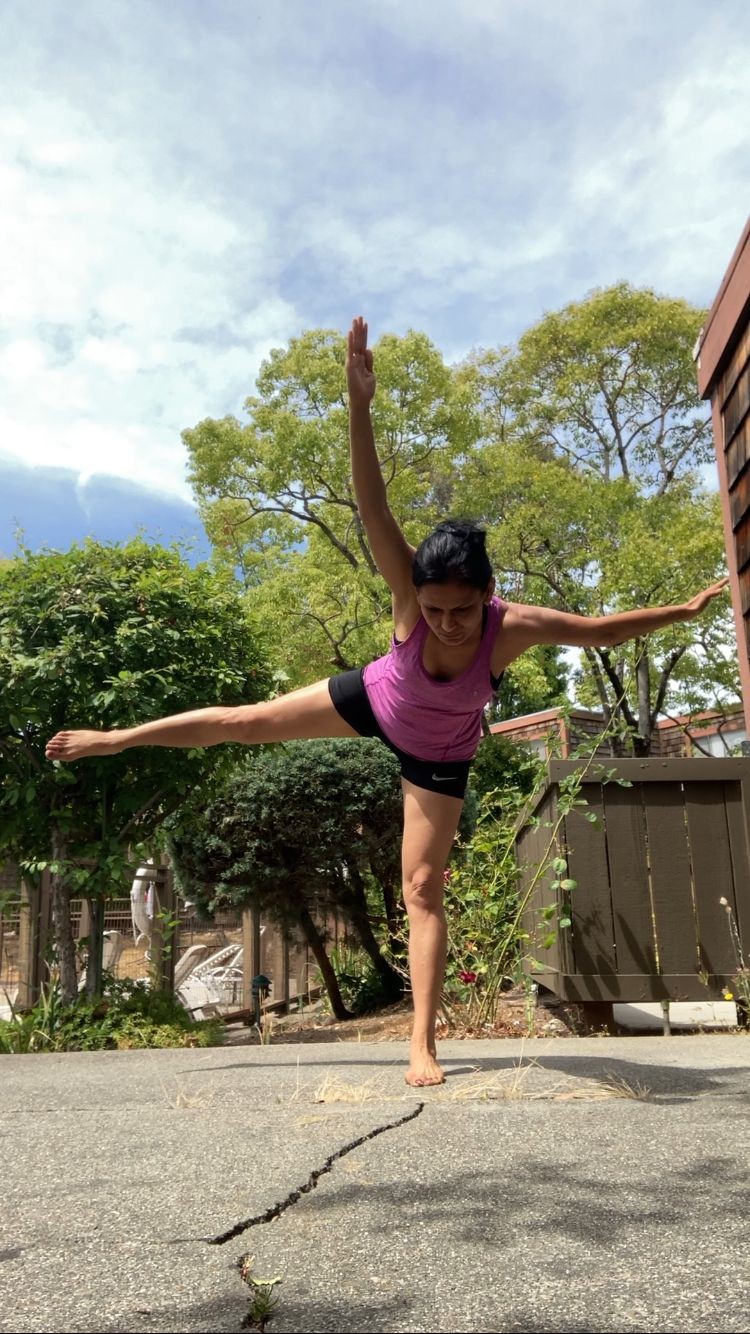
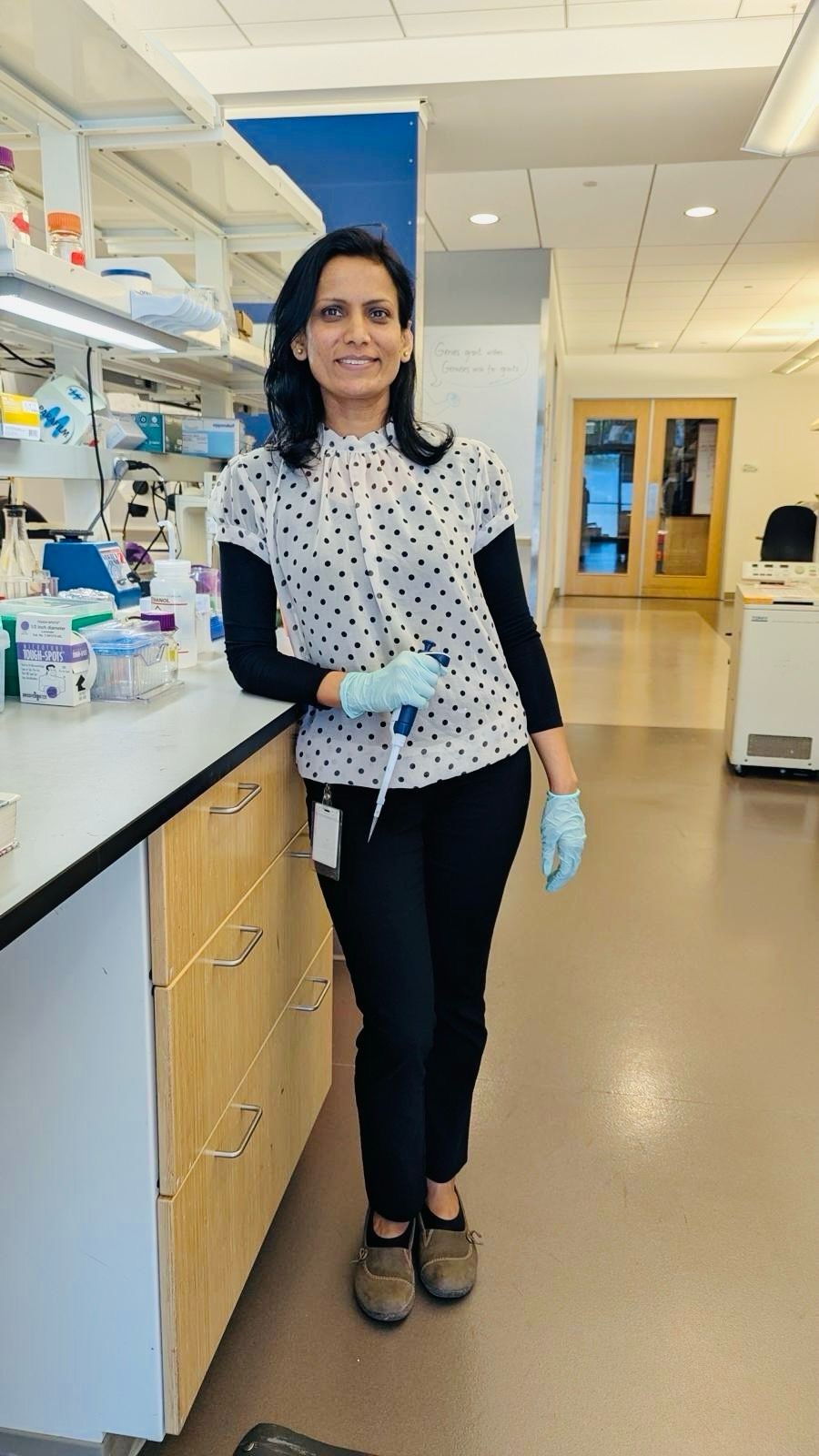
 Vineeta Tanwar’s scientific path has taken her from New Delhi to Nashville to Columbus, and now to Novato. After earning her PhD from AIIMS, New Delhi, she landed at Vanderbilt University, where she worked on turning stem cells into beating heart cells (which, admittedly, never gets old). She later moved to The Ohio State University to explore how air pollution and environmental exposures shape heart and lung health. Now at the Buck Institute, Vineeta translates aging biology into real-world clinical studies, driven by the belief that aging isn’t just something that happens to us, it’s something we can measure, understand, and maybe even outsmart. Beyond the research world, you’ll find her social dancing, kayaking or hiking, or working on the ever-evolving balance between ambitious science and everyday joy.
“What first drew you to this field of science, and what keeps you motivated today?”
 I’ve always been fascinated by my surroundings and how changes in our environment affect the way we live and age. “Why” and “how” came naturally to me, long before I thought about becoming a scientist. Studying science in high school completely changed my perspective, it showed me that curiosity could be organized, tested, and even turned into discovery. As Tim Minchin puts it, “Science is simply the word we use to describe a method of organizing our curiosity.” That idea still drives me today. What keeps me motivated is applying that curiosity to real-world health questions and helping translate scientific discoveries into insights that matter for people’s everyday lives.
“What central problem or question is your research currently trying to solve, and why does it matter?”
 At the center of my current work is the GRACE (Glycation Reduction and Aging, a Clinical Evaluation) study, a clinical trial focused on postmenopausal women, a group that often experiences a wide range of metabolic, hormonal, and functional changes such as hot flashes, weight gain, and joint stiffness but has surprisingly few treatment options. In GRACE, we focus on glycation stress, which is like caramelization inside the body — heat and sugar create a sticky coating that stiffens tissues, including blood vessels and skin and increases disease risk. Rather than targeting a single symptom, the study asks whether reducing this underlying stress can support healthier aging during the postmenopausal transition. If we’re able to meaningfully improve even one or two aspects of health, whether metabolic balance, physical function, or quality of life, I would consider that a real success!
“Can you describe a recent experiment, breakthrough, or surprising finding in your work—and what it could mean for the future?”
One of the most exciting milestones in my work has been launching the GRACE trial, my first clinical study, which translates years of preclinical research into a rigorously designed human trial. GRACE focuses on postmenopausal women, a unique and often overlooked population that is neither very young nor very old, yet undergoing profound biological changes. There are surprisingly few clinical trials designed specifically for women at this stage of life, despite their heightened vulnerability to metabolic and aging-related changes. Designing a study in this population has been an incredible learning experience and has highlighted just how complex it is to operationalize aging biology in a clinical setting. Beyond traditional metabolic markers, we’re also evaluating emerging, non-invasive measures of aging, such as retinal aging and functional performance. This work is not only advancing our understanding of aging in women, but also helping lay the groundwork for future trials that treat aging itself as a modifiable process, rather than waiting for disease to emerge.
“If you were explaining your research to a curious grandmother who hasn’t taken biology since high school, how would you describe it?”
 I’d say this: as we age, especially after menopause, our bodies handle sugar and energy less efficiently, which slowly damages tissues over time. This stage of life is a critical transition, when small biological changes can have long-term consequences for health. My research is about finding gentle, safe ways to reduce that damage before it turns into serious health problems. Instead of treating one disease at a time, we’re trying to help the body age more smoothly overall. For me, the motivation comes from knowing that even small improvements can make a meaningful difference in how people feel and function as they age. The goal is not just to live longer, but to stay healthier and more independent as we grow older.
“What excites you most about where your field is heading in the next 5–10 years?”
 I’m excited by how rapidly aging research is moving toward personalized, preventive care. Advances in biomarkers, wearable technology, and systems biology are allowing us to measure aging in ways that were impossible just a few years ago. I’m especially hopeful about the growing recognition that women’s aging biology deserves focused study, not extrapolation from male-dominant data, particularly during life stages like menopause, when biological changes are rapid and deeply intertwined with daily functioning and quality of life. In the next decade, I think we’ll see aging science increasingly integrated into routine healthcare, helping women, and all individuals, intervene earlier, more precisely, and more equitably.
SHARE