

by Buck Institute
January 30, 2026 . BLOG
Faces of Discovery:
Taylor Valentino, PhD
At the Buck, our breakthroughs are powered by people. Faces of Discovery, a monthly installment to the Buck Blog, introduces the scientists unraveling the mysteries of aging and pioneering ways to help us all live better longer.
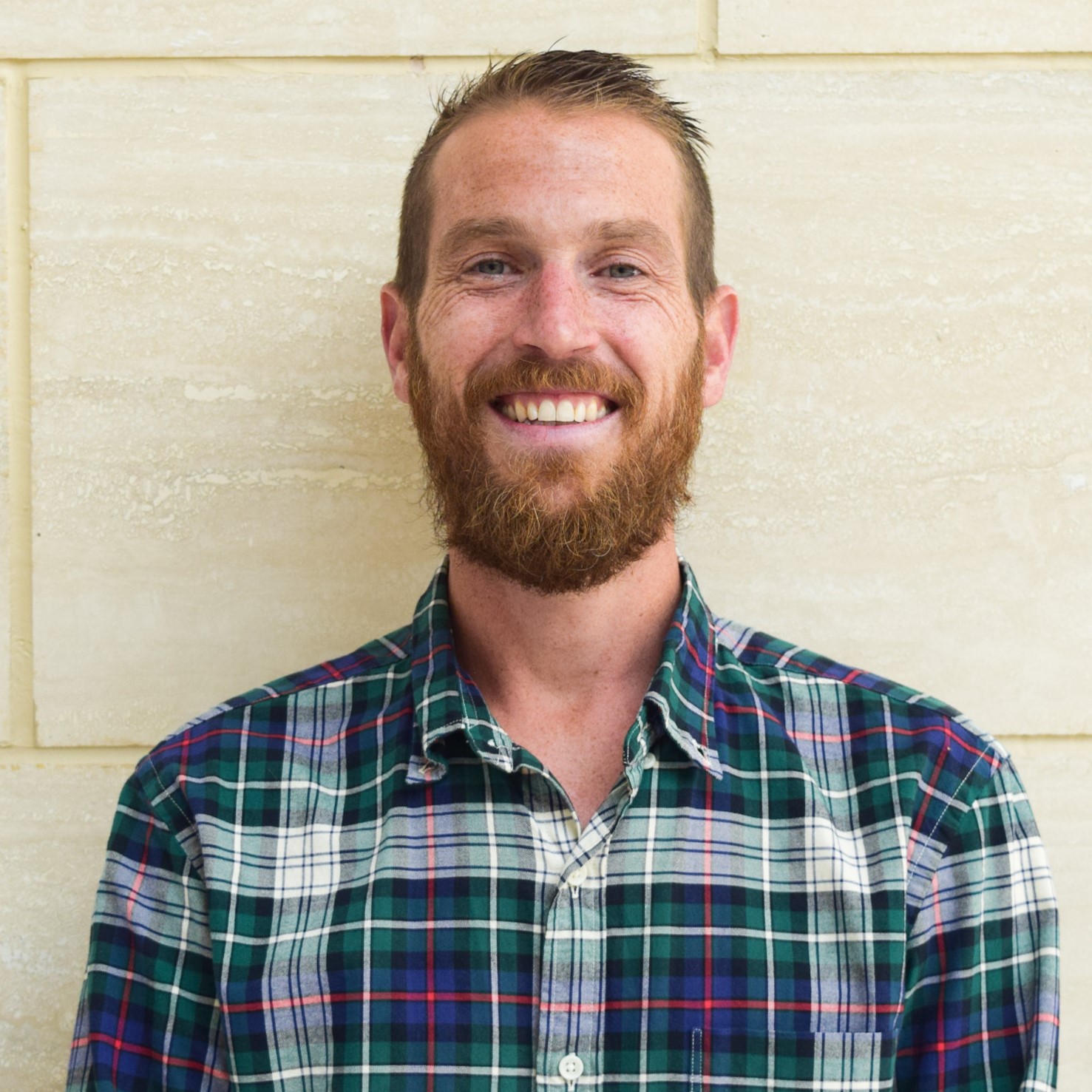 Taylor Valentino, a native of Novato, took a fun and winding road to a career in science (read on!) Now a member of Dan Winer’s lab, he studies how diet and exercise effect the immune system during aging. Taylor received his BS and MS in exercise physiology from San Francisco State and his PhD in Physiology from the University of Kentucky. When he’s not in the lab or getting additional tattoos, Taylor loves spending time with his wife and two daughters, running, discovering fresh new IPAs and crying during all the Pixar movies with his kids.
“What first drew you to this field of science, and what keeps you motivated today?”
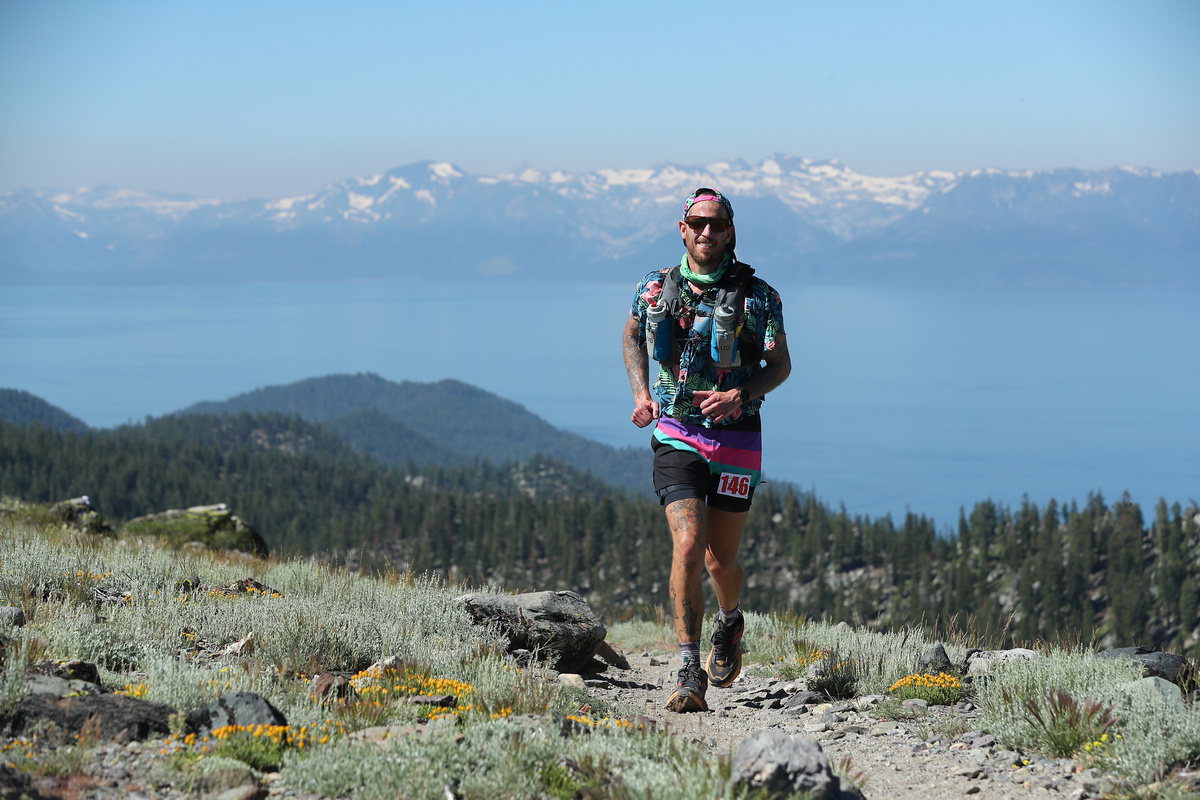 Back in 2004 I moved to Santa Barbara to party and make the occasional appearance in classes at Santa Barbara City College. My dad was turning 50 and he and his buddy challenged me to run a marathon with them for my dad's birthday. I arrogantly agreed and began “training,” which I had no clue about. While I suffered mightily through the race I really enjoyed it, and decided I wanted to learn more about health to train better.
I took an intro to health class at city college and I was hooked. I started slowly taking more science classes, all prompted by trying to learn how to be a better runner and soon realized I loved science as much as running! In science ideas have to continually grow and adapt, and every day I get to have my mind blown again by some new finding or paper. I mean that is the raddest thing ever!
“What central problem or question is your research currently trying to solve, and why does it matter?”
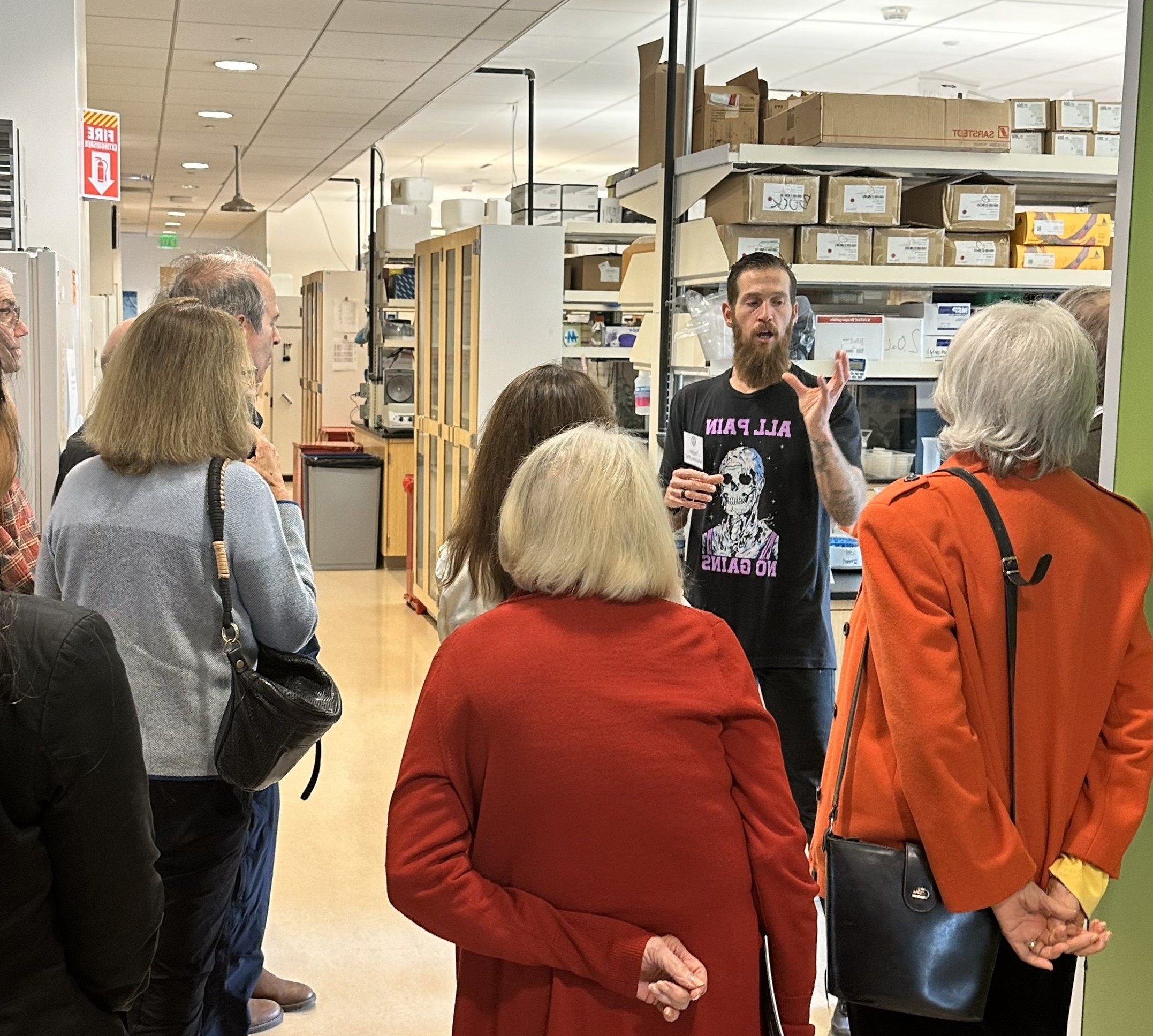 My research focuses on understanding what drives the age-related loss of skeletal muscle mass and function, a condition known as sarcopenia. We often hear that exercise is one of - if not the - most powerful tools for improving healthspan. While this is true, why exercise is so incredibly beneficial is a much more complex question. The central goal of my work is to understand how exercise supports the health and integrity of skeletal muscle, not just in terms of building strength or “getting jacked,” but at a molecular and cellular level. By defining the biological pathways through which exercise promotes muscle health, we may be able to harness its benefits to develop new therapies for individuals who cannot regularly participate in exercise, or to provide others with the boost they need to begin and sustain physical activity.
One of the ways we can do this is through the microbiome. The microbiome is essentially an untapped resource of natural compounds that can provide therapeutic potential. Exercise is known to re-shape the function of the microbiome, where the microbes produce biologically active metabolites/compounds (post-biotics) that we can search for and screen as potential therapeutics for longevity.
“If you were explaining your research to your grandmother, presuming she hasn’t taken biology since high school, how would you describe it?”
I would say Noni, when we exercise, our bacteria in our gut makes small molecules that act like helpful messengers in the body. Some of these messengers can protect our muscles from getting smaller and weaker over time. We’ve identified two of these molecules that look especially promising. In studies with mice, they helped preserve muscle size and strength, even as the animals aged. Because these molecules come from the gut and are linked to exercise, we think they may offer a new way to support muscle health as we age.
“How might your work eventually affect people’s everyday lives, health, or understanding of the world?”
The goal is to provide people with a simple supplement that could be used across a variety of situations. For example, individuals who are hospitalized for extended periods or required to wear a cast may experience significant muscle loss due to immobilization. Taking these supplements during those times could help mitigate that loss.
Additionally, older adults experiencing age-related muscle weakness or sarcopenia could use these supplements as a springboard to regain mobility and strength, helping them eventually return to regular physical activity. Importantly, the intention is not for these supplements to serve as a crutch, but rather as a temporary boost during periods when additional support is most needed.
“What excites you most about where your field is heading in the next 5–10 years?”
I am really excited to see more in-depth deep exploration into the power of exercise and exactly how it promotes longevity. doing in-depth analysis of just exactly how exercise promotes longevity. This work will provide a foundation for developing targeted interventions to preserve muscle and overall function as we age. This is really exciting to me, and I CANNOT WAIT to see it unfold!
SHARE