
by Buck Institute
April 16, 2026 . News
The Buck Institute Welcomes Renowned Cell Biologist Dr. Peter Walter to Faculty
Pioneering scientist whose discoveries transformed understanding of cellular health and disease joins Buck faculty
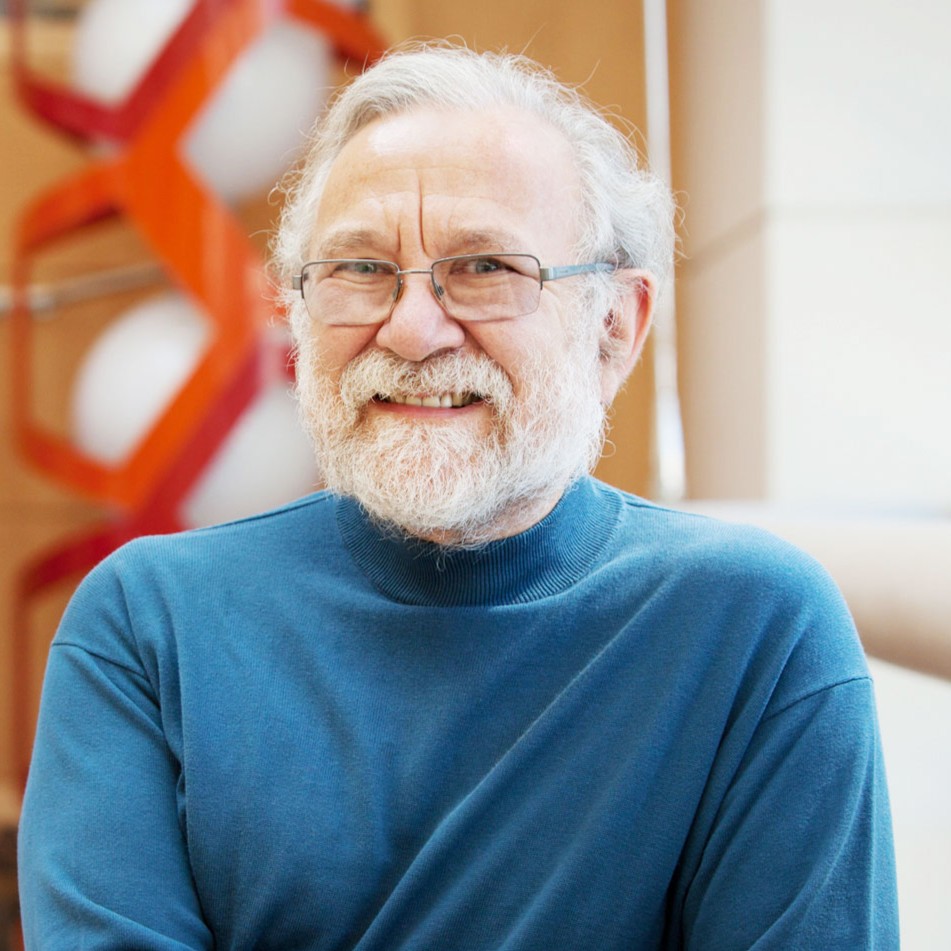 The Buck Institute for Research on Aging today announced that Dr. Peter Walter, one of the world’s most influential cell biologists, has joined the Institute as a Professor. His arrival marks a significant addition to Buck’s scientific leadership and strengthens its mission to end the threat of age-related disease.
Dr. Walter is internationally recognized for discoveries that have fundamentally shaped modern biology. During his doctoral work at Rockefeller University, he identified the signal recognition particle - a universal system that ensures newly made proteins are directed to the correct location within cells. Later, during a distinguished career at the University of California, San Francisco (UCSF), where he served as Chair of the Department of Biochemistry and Biophysics, his laboratory uncovered the unfolded protein response, a critical cellular pathway that helps cells detect and manage damaged or misfolded proteins.
These foundational systems are essential to maintaining cell health. When they fail, the consequences are profound, contributing to conditions such as cancer, diabetes, and neurodegenerative diseases, all of which increase with age.
“Peter’s work has defined how we understand some of the most fundamental processes in biology,” said Eric Verdin, MD, president and CEO of the Buck Institute. “His discoveries have had a lasting impact across fields, and they are deeply relevant to the biology of aging. We are thrilled to welcome him to the Buck community.”
Following nearly four decades at UCSF and a long tenure as an investigator with the Howard Hughes Medical Institute, Dr. Walter co-founded Altos Labs, where he helped advance efforts to better understand the mechanisms of cell aging.
His scientific achievements have been recognized with many of the highest honors in science, including the Lasker Award, Breakthrough Prize, and Shaw Prize. He is also widely known as a co-author of Molecular Biology of the Cell, a textbook that has educated generations of scientists worldwide.
“I’ve always been driven by curiosity and a willingness to follow unexpected paths in science,” said Dr. Walter. “The Buck Institute is a place where that spirit thrives, and I’m excited to be part of a community that is deeply committed to understanding and improving the biology of aging.”
At the Buck, Dr. Walter will continue to explore the fundamental mechanisms that govern cell health, with the goal of translating these insights into strategies to prevent and treat age-related disease.
Science is showing that while chronological aging is inevitable, biological aging is malleable. There's a part of it that you can fight, and we are getting closer and closer to winning that fight.
Eric Verdin, MD, Buck Institute President and CEO