WEBB LAB
Lab focus
Aging is the major risk factor for a number of diseases, including neurodegenerative diseases such as Alzheimer’s. Yet, our understanding of the mechanisms responsible for aging at the molecular level remains limited. Identifying the factors that accelerate the aging process, as well as those that confer resilience, will influence quality of life in the elderly and lead to treatments for age-associated diseases.
The Webb lab investigates the transcriptional and epigenetic mechanisms of brain aging and neurodegeneration. Our lab has a long-standing interest in the mechanisms of adult hippocampal neurogenesis – the process of new neuron formation in the adult brain – and why neural stem cells fail to regenerate neurons in the aging brain. Our lab has identified transcriptional and epigenetic changes linked to impaired proteostasis and metabolism in aged neural stem cells. Our recent work implicates similar mechanisms as responsible for defective neurogenesis in Alzheimer’s models as well. In a newer direction in the lab, we are studying the mechanisms of hypothalamic aging. The hypothalamus is a well-conserved brain region that controls homeostatic and survival-related behaviors such as sleep, circadian rhythms, metabolic homeostasis, reproduction, and hormone status. We have identified cell-type specific transcriptional changes with age associated with these processes and discovered sex-specific features of the aging hypothalamus. Collectively, in the long term, this work may lead to new strategies to enhance healthy brain function in the context of aging and neurodegeneration.
Why it matters
During aging, molecular changes in the brain result in cognitive decline, sleep dysfunction, and metabolic deregulation. These impairments are even further exacerbated in individuals living with neurodegeneration. Our goal of understanding the molecular basis for brain aging has the potential to lead to new treatments to combat cognitive decline and improve daily life in older adults.
CENTER DETAILS




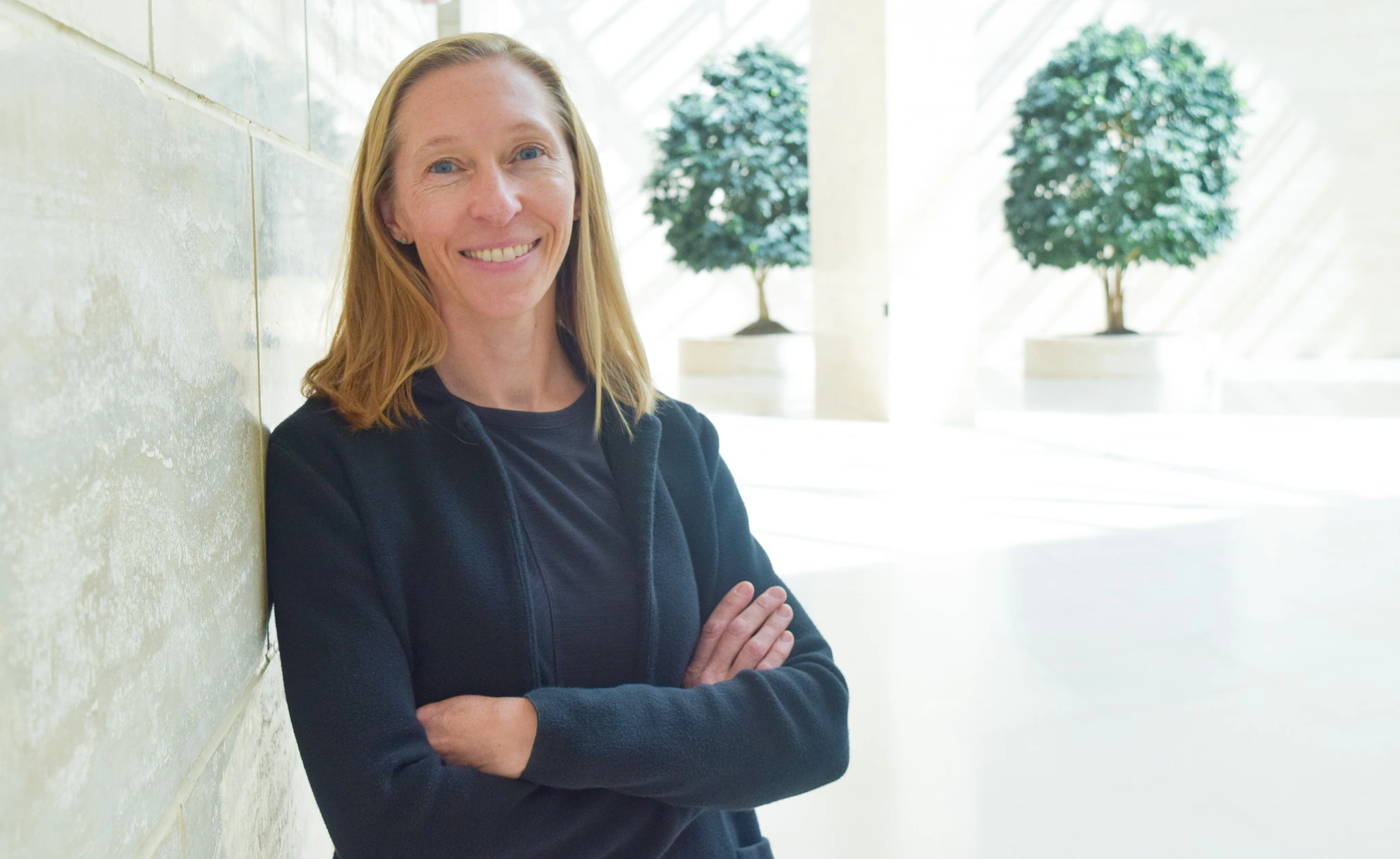
Dr. Webb received her PhD from the University of Washington and did her postdoctoral work with Dr. Anne Brunet at Stanford University. She started her laboratory at Brown University, where she was promoted to Associate Professor with tenure and became the Associate Director of the Center on the Biology of Aging. Dr. Webb joined the Buck Faculty as an Associate Professor in 2023.
Dr. Webb has received awards for her work in the aging field, including a Glenn Award for Research on Mechanisms of Aging, and a junior faculty award from the American Federation for Aging Research. Her lab is funded by the NIH National Institute on Aging and the National Science Foundation. Dr. Webb is a member of the AFAR National Advisory Council and the Board of Directors for the American Aging Association. She serves as reviewer for the Glenn Foundation and is a member of the NIH’s Cellular Mechanisms of Aging and Development study section.
-
 Jose Adan Arevalo, PhD Postdoctoral Researcher
José Adan Arevalo was born in Coatepeque, Guatemala and grew up in the Boyle Heights neighborhood of East Los Angeles. José received his BS at UC Berkeley and his Masters in Kinesiology from California State University, Fullerton. At CSU Fullerton, in the lab of Andy Galpin, he investigated how leg asymmetry affects skeletal muscle fiber type, which he showed may increase the risk in sport-related injuries. He then went back to Berkeley joining the labs of George Brooks and José Pablo Vázquez-Medina investigating age-associated skeletal muscle mitochondrial dysfunction and its effects on whole body metabolism. José showed lactate metabolism was delayed and diminished in aging. As a postdoctoral researcher in the Webb lab, José will investigate the transcriptional mechanisms regulating proteostasis and the stress response in Alzheimer's Disease using patient-derived iPSCs. Outside of the lab, José loves to lift weights, run trails, watch rugby, and play with his dog Xena.
JArevalo@buckinstitute.org
-
 Kelsey Babcock Brown University, Neuroscience graduate student
Kelsey Babcock is a neuroscience PhD candidate who joined the Webb Lab at Brown University. She received her bachelor’s degree in neuroscience from Wheaton College MA in 2016 and worked in Dr. Ian Wickersham’s Genetic Neuroengineering Group at MIT before pursuing graduate school. Kelsey’s research focuses on understanding the molecular mechanisms underlying the loss of neurogenesis in the context of Alzheimer’s disease. She utilizes in vivo approaches alongside molecular biology and genomics techniques to elucidate defects in hippocampal neural stem cells in mouse models of Alzheimer’s disease. The overarching goal of Kelsey’s research is to identify targets to improve neurogenesis and alleviate cognitive symptoms in the Alzheimer’s mouse model. Outside of the lab, Kelsey enjoys hiking, camping, and trying new recipes.
-
 Misaki Belser USC Student
Misa Belser is a USC graduate student working at the Buck Institute. She is interested in the role of epigenetics and DNA damage and repair in aging and rejuvenation. In the lab she is studying these topics in the context of neural stem cells (NSCs). Outside of the lab, Misa enjoys drawing and learning Japanese.
MBelser@buckinstitute.org
-
 Catherine Cai USC Student
Catherine is a USC/Buck graduate student. She graduated from Cornell in 2021 with degrees in biology and psychology. She is interested in epigenetics, aging, and learning and memory. She is currently studying epigenetic drift in aged neural stem cells and the effect of age on stem cell quiescence. Outside of the lab, she enjoys tennis, volleyball, oil painting, and watching The Great British Baking Show.
CCai@buckinstitute.org
-
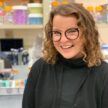 Adele Finch Brown University, Neuroscience graduate student
Adele Finch is a neuroscience PhD candidate at Brown University, and is currently a visiting student at The Buck Institute in the Webb Lab. She completed her B.A. in biology at Bard College in May of 2020. She is primarily interested in the molecular mechanisms that underlie the decline in hippocampal neurogenesis that occurs with age. Specifically, she is studying how mitochondrial turnover influences neural stem cells with the goal of identifying new targets for enhancing neurogenesis in the aged brain. When Adele isn’t at the bench, she enjoys learning how to play new musical instruments, knitting oversized sweaters, and hanging out with her cat, Vanya.
AFinch@buckinstitut.org
-
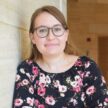 Angelina Holcom, PhD Postdoctoral Associate
Dr. Angelina Holcom is a postdoctoral researcher in the Webb lab. She received her doctoral degree from USC while working in the lab of Dr. Gordon Lithgow, where she studied Alzheimer's disease using C. elegans. She is currently interested in understanding the role of mitophagy in neural stem cells and conducting a high-throughput screen to identify modulators of mitophagy in NSCs. Outside the lab, Angelina enjoys baking and going to the beach.
AHolcom@buckinstitute.org
-
 Hashan Jayarathne, PhD Postdoctoral Researcher
Dr. Hashan Jayarathne is a postdoctoral researcher in the Webb Lab. He received his B.Sc. degree from the University of Peradeniya, Sri Lanka. He received his Ph.D. from Wayne State University, where he was trained in the lab of Dr. Marianna Sadagurski. During his doctoral degree, he investigated how the antidiabetic drug Canagliflozin influences brain aging, uncovering its potential neuroprotective and anti-inflammatory effects. As a postdoctoral researcher in the Webb lab, he is currently interested in understanding the epigenetic and transcriptional differences between male and female brain aging that underlie sex differences in aging and age-associated diseases. Outside the lab, Hashan enjoys exploring diverse cuisines, reading, and walking outside.
HJayarathne@buckinstitute.org
-
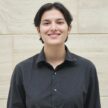 Grace Judge Postbaccalaureate Researcher
Grace is a postbaccalaureate student in the Support and Preparation for an Alzheimer's Research Career (SPARC) Program. She graduated from UC Berkeley in 2025 with a degree in neurobiology. As an undergraduate, she worked in Dr. Lea Grinberg's lab at UCSF to examine the selective vulnerability of circadian-regulating hypothalamic nuclei to Alzheimer's disease pathology using human postmortem tissue. In the Webb lab, she is currently studying transcriptional alterations associated with Alzheimer's disease in the hypothalamus. Grace's future goal is to pursue a PhD with a focus on neurodegenerative disease research. Outside of the lab, she enjoys reading, writing, making music, and going on hikes.
bjudge@buckinstitute.org
-
 Alison Kochersberger, PhD Postdoctoral Researcher
Alison Kochersberger received her B.S. in biology from Nazareth College in Rochester, NY. She then joined the lab of Dr. Marc Hammarlund for her Ph.D. work at Yale University. There she studied how developmental programmed cell death sculpts neuronal circuits in C. elegans. As a postdoc in the Webb lab, she is interested in the mechanisms driving reproductive aging.
akochersberger@buckinstitute.org
-
 Harold Marin Postdoctoral Researcher
Harold was born in Peru and raised in Santa Rosa, California. He began his scientific journey at the Buck Institute in Dr. Brian Kennedy’s lab. He earned a B.S. in biochemistry and molecular biology from UC Davis, where he studied mechanisms of aneuploidy prevention during female meiosis in Dr. Francis McNally’s lab. Harold then joined Dr. David Toczyski’s lab at UCSF as a research associate, investigating pharmacogenetic interactions of human E3 ubiquitin ligases using CRISPR-Cas9 screening. He earned his Ph.D. at UCSF in Dr. Abby Buchwalter’s lab, where he studied how heterochromatin tethering proteins at the nuclear periphery regulate gene expression and cell state in mouse embryonic stem cells. His work showed that peripheral heterochromatin represses transposons and that its disorganization triggers inappropriate expression of lineage-specific genes during differentiation. As a postdoc in the Webb lab, Harold leverages his background in chromatin and cell biology to study epigenetic changes in aged and diseased neurons. Outside the lab, he enjoys bird watching and playing soccer.
HMarin@buckinstitute.org
-
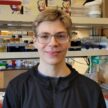 Ilya Osipov Postbaccalaureate researcher
Ilya is a Postbaccalaureate researcher in the Webb Lab. He received his B.S. in Biochemistry and Molecular Biology from Oregon State University. In the Webb Lab, he is interested in understanding how aging affects the hypothalamus, and the extent to which epigenetic changes are responsible for hypothalamic dysfunction with age. Ilya's long-term goal is to pursue graduate school with a focus on aging research. Outside of the lab, he enjoys reading and going for walks outside.
IOsipov@buckinstitute.org
-
 Sriram Selvakumaran Research Associate
Sriram is from Tamil Nadu, India, and earned his B.S. in neurobiology from UC San Diego (go Tritons!). As an undergraduate, he worked in Dr. Chengbiao Wu’s lab studying how RIN3 mutations contribute to Alzheimer’s disease and in Dr. Paula Desplats’ lab exploring how time-restricted feeding affects memory and Parkinson’s pathology in mice. In the Webb lab, Sriram is investigating how the transcription factor FOXO3 changes with Alzheimer’s, focusing on protein aggregation and mitophagy defects using patient-derived iPSCs. He hopes to pursue graduate school to study brain aging and neurodegeneration in the future. Outside of research, Sriram enjoys exploring museums, cooking, catching up on MasterChef Australia, watching TV shows, reading, and rooting for the Golden State Warriors
SSelvakumaran@buckinstitute.org
-
 Neta Shwartz Lab Manager
Neta Shwartz graduated with her BS from Towson University in molecular biology. She studied neurodevelopment of the forebrain in zebrafish and graduated with an MA from Johns Hopkins University. Her thesis focused on characterizing the behavior of neuronal subtypes in the habenula. Day to day, Neta likes blazing trails, rock climbing, and drawing.
NShwartz@buckinstitute.org
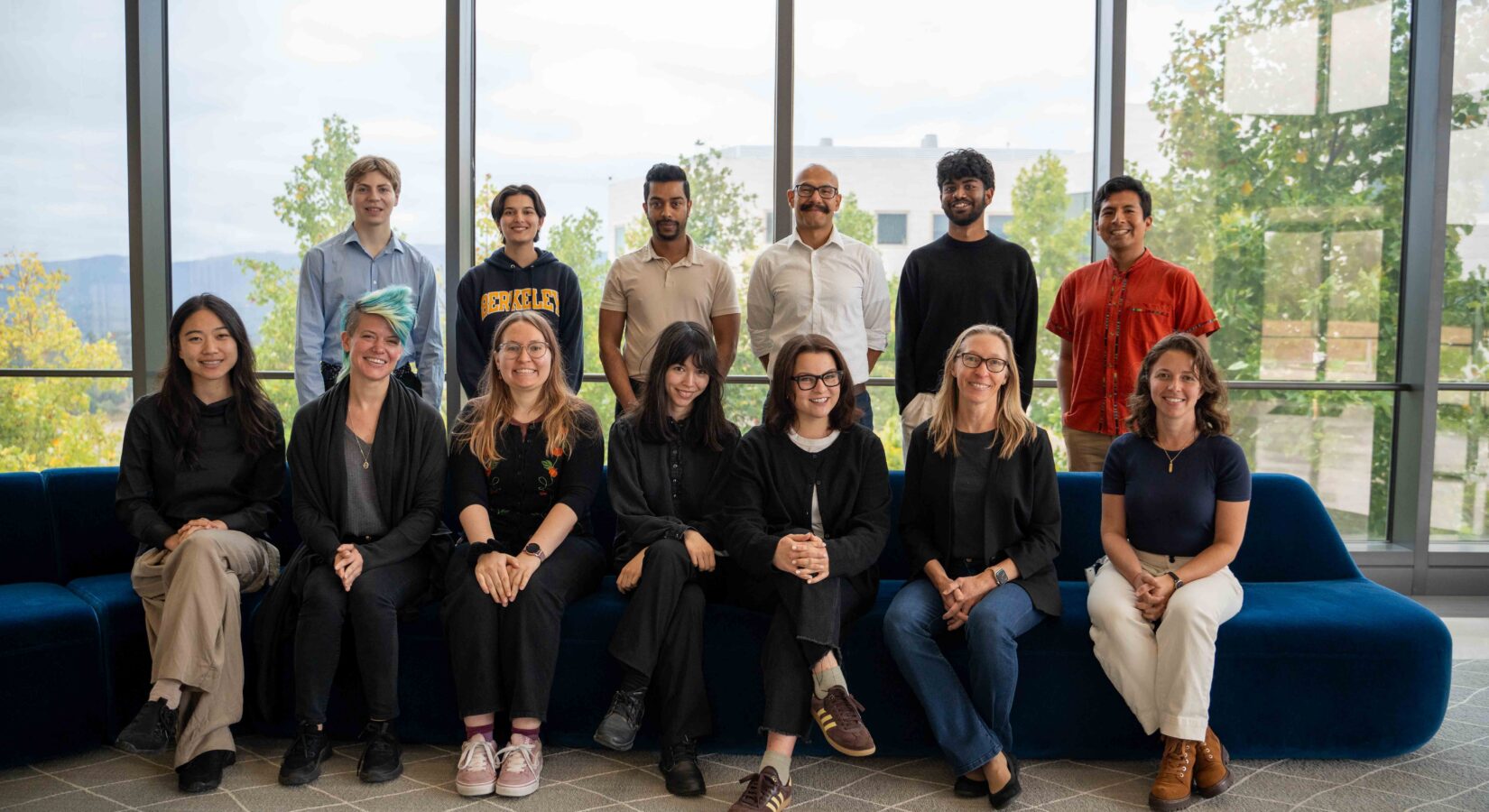
LAB GALLERY
Selected Publications
-
Yu D, Li M, Linghu G, Hu Y, Hajdarovic K, Wang A, Singh R, Webb A. CellBiAge: Improved single-cell age classification using data binarization. Cell Reports, 2023.
-
Hajdarovic KH, Yu D, Webb AE. Understanding the aging hypothalamus, one cell at a time. Trends Neurosci, 2022. Dec; 45(12): 945-954.
-
*Hajdarovic KH, *Yu D, Hassell L, Evans SA, Packer S, Neretti N, Webb AE. Single-cell analysis of the aging female mouse hypothalamus. Nature Aging, 2022. Jul 4; 2(7): 662-678. *Equal contribution.
-
Maybury-Lewis SY, Brown AK, Yeary M, Sloutskin A, Dhakal S, McCarthy-Sinclair B, Juven-Gershon T, Webb AE. Changing and stable chromatin accessibility supports transcriptional overhaul during neural stem cell activation and is altered with age. Aging Cell, 2021 Oct 23:313499.
-
Babcock KR, Page JS, Fallon JR, Webb AE. Adult hippocampal neurogenesis in aging and Alzheimer’s disease. Stem Cell Rep. 2021 Feb 25.
-
Audesse AJ, Dhakal S, Hassell L-A, Gardell Z, Nemstova Y, Webb AE. FOXO3 directly regulates an autophagy network to functionally regulate proteostasis in adult neural stem cells. Plos Genetics. 2019 Apr 11;15(4):e1008097.
-
Brown AK and Webb AE. Regulation of FOXO factors in mammalian cells. Current Topics in Developmental Biology. 2018;127:165-192.
-
Webb AE, Kundaje AK, Brunet A. Characterization of the direct targets of FOXO transcription factors throughout evolution. Aging Cell. 2016; Aug;15(4):673-85.
Dr. Webb’s full publication list