
GRACE STUDY
CURRENTLY RECRUITING
Glycation stress is something that happens when sugars get stuck to proteins in our body, getting in the way of their normal function. Buck scientists have developed a combination supplement, GLYLO, that reduces glycation stress in animals. The GRACE Study will test whether daily GLYLO supplementation can reduce sugar-related stress in postmenopausal women.
To participate, fill out the interest form on our clinical trials page
TRIAL DETAILS
Participants: Women between the age of 45-65y who have not had a period for more than 1 year.
Dates: Estimated start April 2025, estimated completion April 2026
Duration: Participation in the study will last approximately 6 months
Compensation: Eligible participants receive up to $250, Fitbit health tracker, and one month supply of the study product
Status: Currently recruiting
Start Date: April 2025
End Date: April 2026 (estimated)
Sponsor: The Buck Institute for Research on Aging, through a donation by the Buck Institute Impact Circle
Link: To follow
ID: To follow
Study type: Randomized, parallel group, double blinded
Participants: 30 participants
Last updated: August, 2025
Number of visits
- One screening visit in clinic
- 3 study visits in clinic
List of study procedures:
- Medical history
- Height, weight, waist circumference
- Vital signs (pulse and blood pressure, etc)
- Fasting blood work
- Urine sampling in clinic
- Daily consumption of study supplement at home for 6 monts
- Study questionnaires
- Physical tests (balance, walking, strength, etc)
- Mental tests (memory, cognition, etc).
You may be eligible if you…
- are a woman
- are between the age of 45 – 65 years of age or older.
- have a BMI ≥ 25 kg/m² OR Waist circumference ≥88 cm
- HbA1c 5.5% – 6.4%
- Have pre-diabetes
- have no medical conditions that have changed recently, or medication use that has changed recently
You might not be eligible if you…
- You’ve been through surgical menopause
- Take hormone replacement therapy
- Have diabetes
- Have high blood pressure
- Have hyperthyroid conditions
- have serious and/or unstable medical conditions affecting your heart, liver,
Dr. John Newman
 John Newman, MD, PhD, is an Associate Professor at the Buck Institute for Research on Aging and an Associate Professor in the Division of Geriatrics at University of California San Francisco (UCSF). His career goal is to translate our expanding understanding of aging biology to improve the care and help maintain the independence of older adults. His research at the Buck Institute studies the molecular details of how diet and fasting regulate the genes and pathways that in turn control aging, focusing on the ketone body beta-hydroxybutyrate and how its molecular signaling activities involving epigenetics and inflammation regulate aging and memory in mice. Dr. Newman is also a geriatrician at UCSF who cares for hospitalized older adults, focusing on preserving mobility and preventing delirium.
Dr. Brianna Stubbs
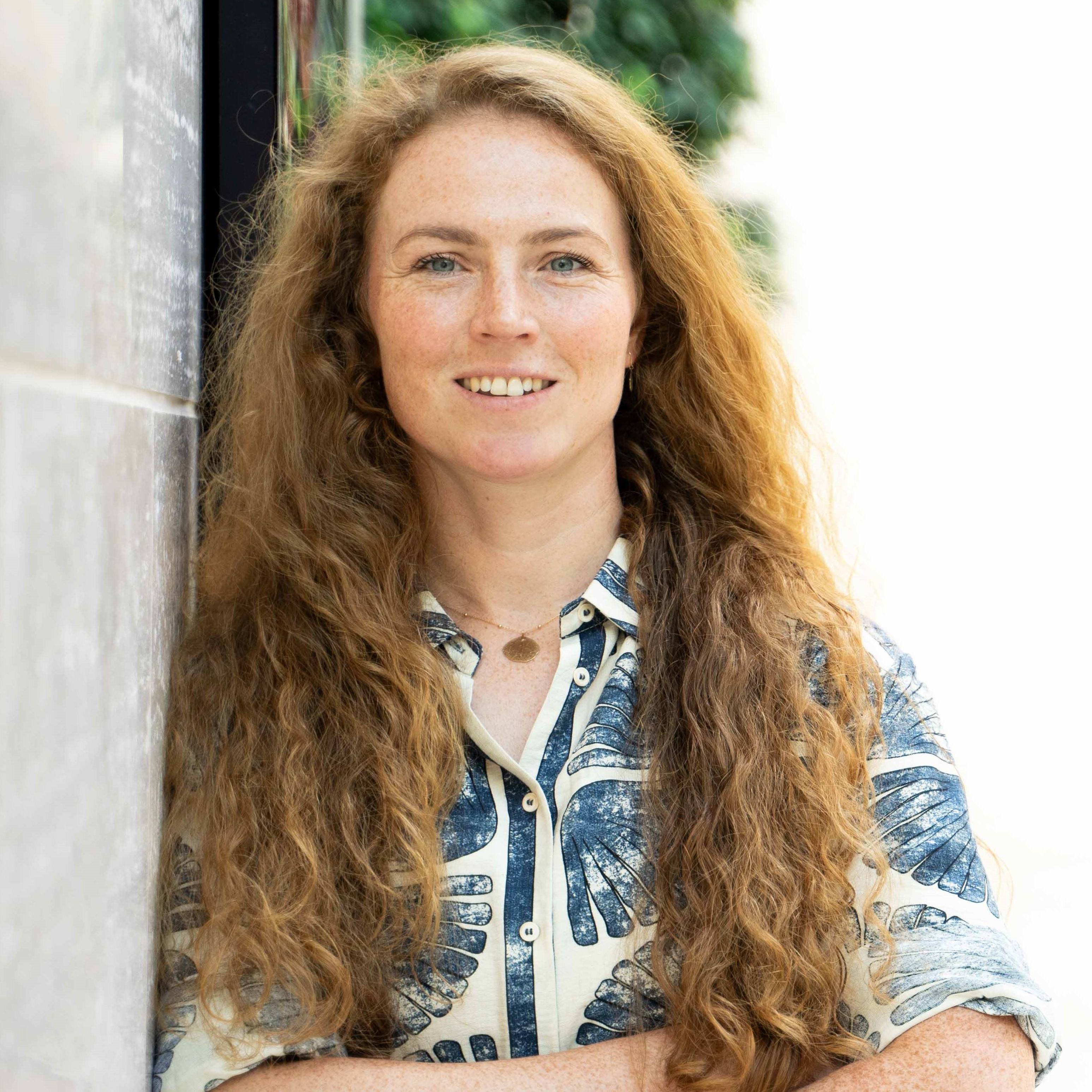 Dr. Brianna Stubbs is Co-Director of the Clinical Research Core at the Buck Institute for Research on Aging and is a world expert in exogenous ketone metabolism and its implications for performance, resilience and health-span. She completed her PhD in Metabolic Physiology at the University of Oxford, studying the metabolism and the application of exogenous ketone salts and esters. Whilst completing her studies, she competed on the British International Rowing Team, and was a two-time World Champion lightweight athlete. Brianna is currently Lead Translational Scientist in the Business Development Team at The Buck Institute for Research on Aging where she is focused on the translation of ketone body research into consumer products and drugs that target healthy aging.
Pankaj Kapahi, PhD
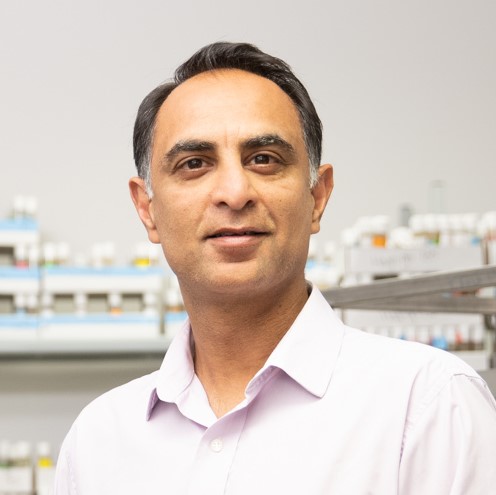
Dr. Kapahi received his PhD from the University of Manchester, where he worked with Tom Kirkwood. He did his postdoctoral work with Seymour Benzer at Caltech and Michael Karin at University of California, San Diego. He joined the Buck Institute as an assistant professor in 2004.
Dr. Kapahi has published more than 80 scientific papers and holds three current patents. He has been recognized for his scientific excellence with many awards, including the Eureka Award from the National Institute on Aging, a New Scholar Award from the Ellison Medical Foundation, a Glenn Award for Research in Biological Mechanisms of Aging, the Nathan Shock Young Investigator Award, and the Breakthrough in Gerontology and Julie Martin Mid-career awards from AFAR. He currently serves on the editorial board of Aging Cell, Aging, and PLOS Genetics. Dr. Kapahi also initiated the first master’s degree course in gerontology at the Buck Institute.
Vineeta Tanwar, PhD
 Dr. Vineeta Tanwar is a translational and clinical scientist with expertise in cardiovascular sciences. She earned her doctorate in Pharmacology from the All India Institute of Medical Sciences, India. Her postdoctoral work at Vanderbilt University investigated the mechanisms of cardiac cell specification during embryonic stem cell differentiation and explored strategies for cardiac repair and regeneration following ischemic injury in the adult heart. She then joined the Dorothy M. Davis Heart and Lung Research Institute at The Ohio State University, where she investigated external triggers of cardiac diseases, with emphasis on air pollution exposure. Her interest in translating scientific discoveries into real-world impact led her to the Center for Integration of Science and Industry, Bentley University, where, as an innovation and translational scientist, she examined trends in science and technological innovation in FDA-approved drugs and the health value generated by biopharmaceutical companies.
At the Buck, she works as a translational and clinical scientist, responsible for moving innovative discoveries from preclinical research to human studies. She is co-investigator of a clinical trial translating Kapahi Lab findings on lowering glycation stress into interventions aimed at improving human health and advancing geroscience-guided strategies for healthy aging. Passionate about bridging science and society, she also engages in science communication to promote awareness and counter misinformation.