

by Buck Institute
August 19, 2026 . BLOG
Faces of Discovery: Emma Glass, PhD
At the Buck, our breakthroughs are powered by people. Faces of Discovery, a monthly installment to the Buck Blog, introduces the scientists unraveling the mysteries of aging and pioneering ways to help us all live better longer.
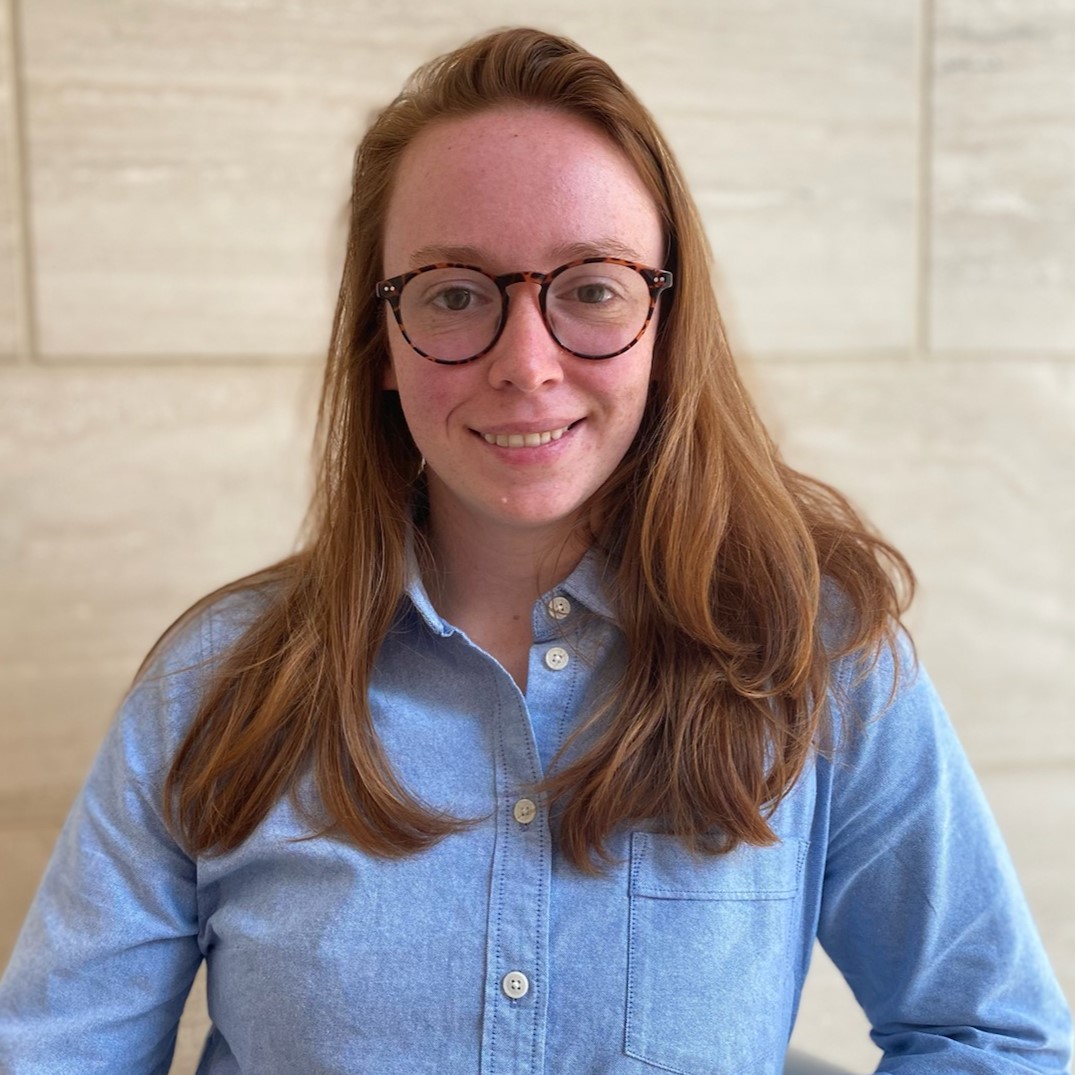
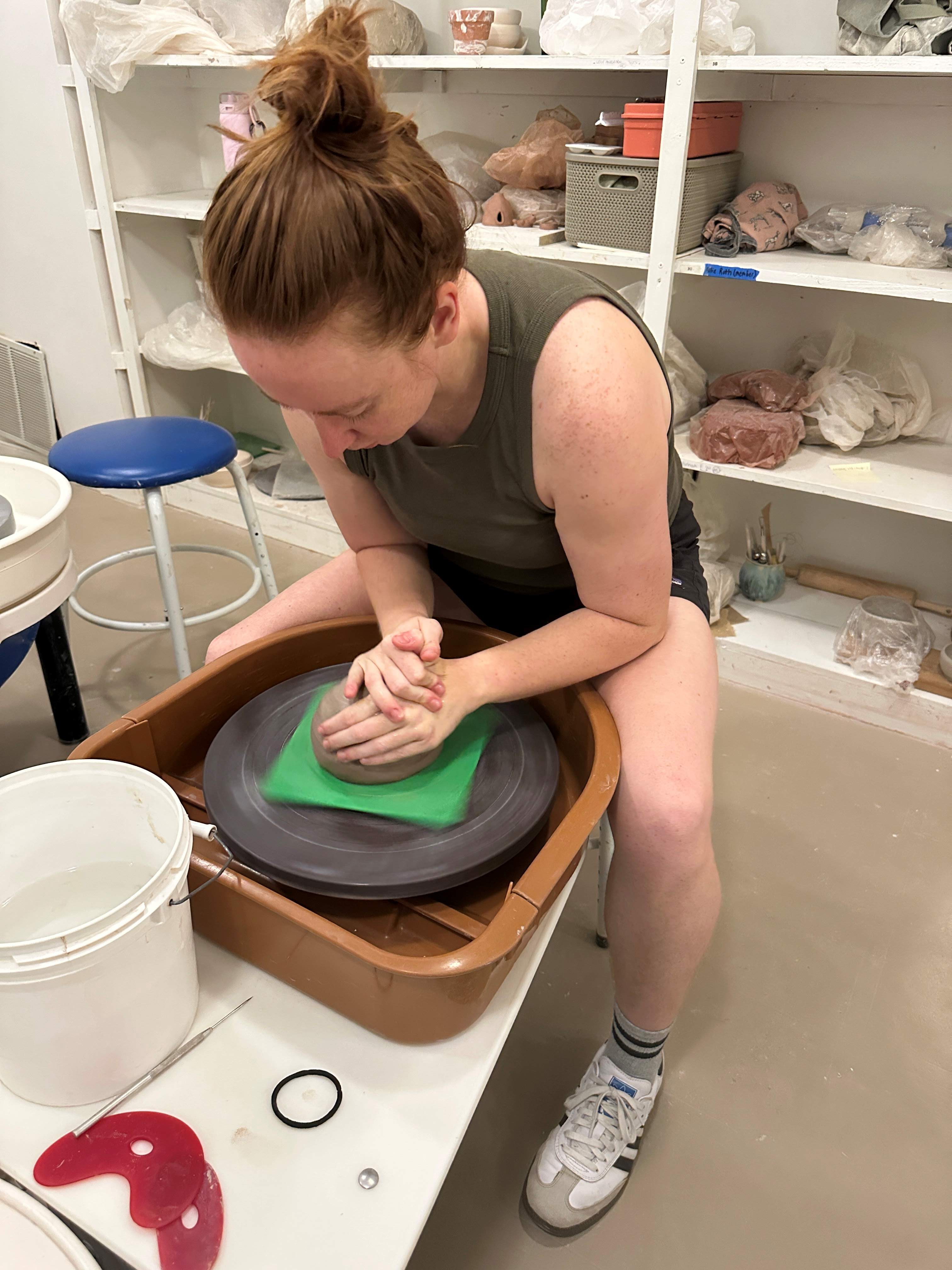
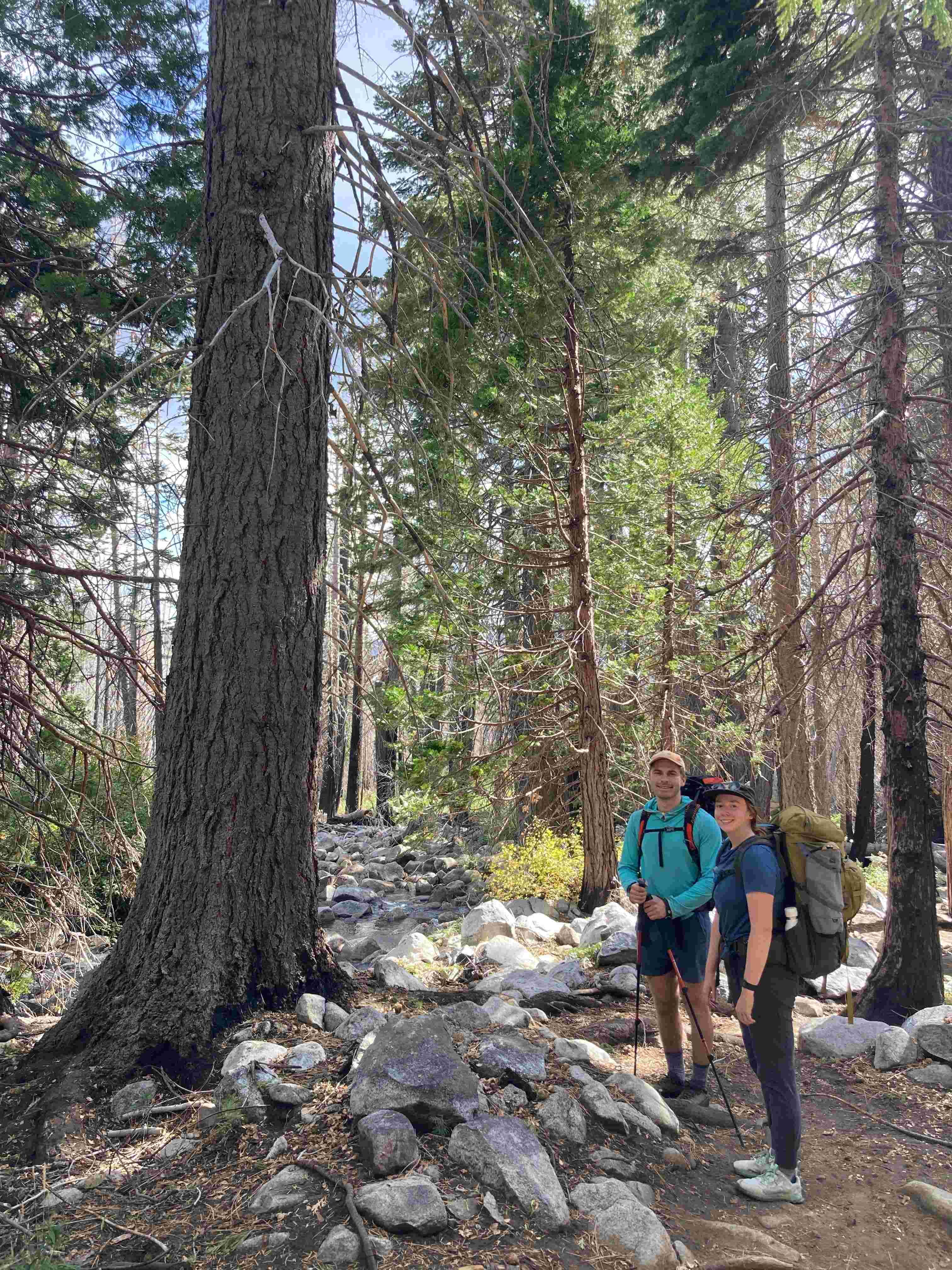
Emma Glass joined the Buck just over a year ago as a Research Scientist in James Yurkovich’s lab, where she works on developing a whole-cell simulation software and data analysis for the TIME clinical trial. As a Virginia native, she received a B.S. in Applied Math from William and Mary, and a PhD in Biomedical Engineering from the University of Virginia. In her free time, she enjoys exploring nature around the Bay Area, reading, knitting, playing ultimate frisbee, and making pottery.
What first drew you to this field of science, and what keeps you motivated today?
I have a personal interest in wellness and longevity science, so when I saw the opportunity to join the Buck Institute, I was thrilled for the chance to merge my PhD work in computational microbiology with the science of aging. This work has real potential to be deeply impactful since the cellular models we are building today for microbes could be the critical stepping stones to modeling human cells. I’m driven by the idea that these tools will eventually help us find ways to fundamentally improve the human healthspan. How could you not be motivated by that?!
What central problem or question is your research currently trying to solve, and why does it matter?
My research is funded by DARPA (Defense Advanced Research Projects Agency), and focuses on creating a computational simulation that can predict exactly how E. coli behaves when exposed to different environments. Specifically, using these simulations to predict how effective certain antimicrobials are, we are able to calculate the concentration of an antibiotic needed to stop a bacteria’s growth without even touching a petri dish. This matters because it can allow us to predict the best treatments for specific infections. More importantly for our mission here at the Buck, this whole cell simulator provides a blueprint for eventually simulating human cells to understand why they decline as we age.
What does ‘team science’ look like in your lab, and how does it help you tackle such a complex problem?
We’ve built a highly collaborative environment to tackle the two main thrusts of the DARPA project: “Measure and Inform” (generating data) and “Simulate and Predict” (building the model). Collaboration is key; we work closely with other faculty here at the Buck to generate the massive, experimental datasets needed to inform and ground our models in biological reality. We also have integral external collaborations with industry partners who provide specialized expertise in scaling these technologies. The Buck’s specific focus on applying AI to healthspan has created a perfect environment for scientists like me to work alongside experts in big data and machine learning.
If you were explaining your research to someone who hasn’t taken biology since high school, how would you describe it?
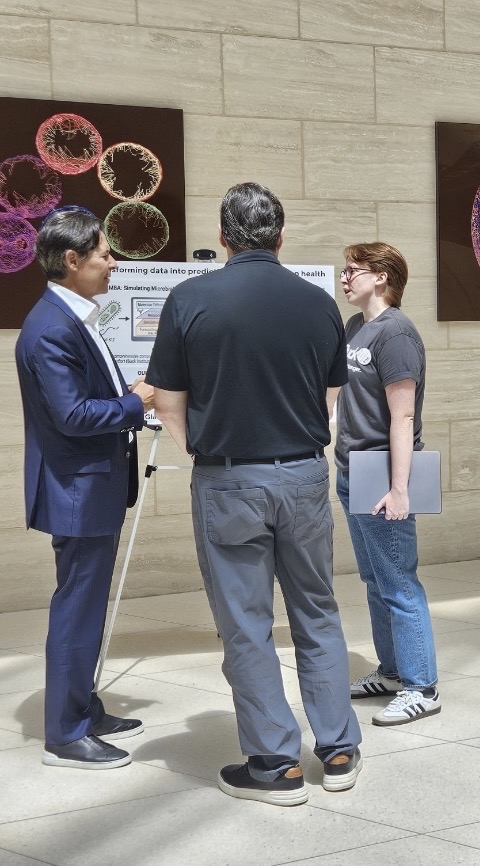
Right now, when scientists want to see how a cell reacts to a new medicine or change in its environment, they have to run thousands of physical experiments in a lab, which takes a long time and costs a lot of money. My work involves taking everything we know about a bacteria called E. coli and putting it into a computer to create a digital version of that cell. This computer model allows us to hit a button and see exactly how the cell responds to different drugs—does it die? Does it grow faster? We are doing this so that one day, we can build a digital version of a human cell. If we can see exactly how a human cell changes and ages on a computer screen, we can figure out the best ways to stop that damage and keep people healthy as they get older.
How might your work eventually affect people’s everyday lives, health, or understanding of the world?
In the short term, this work can lead to faster, more effective treatments for infections by predicting which antibiotics may work best for a given infection. But the broader impact lies in extensibility. By mastering the simulation of a single bacterium, we are developing the basic simulation framework that could eventually be applied to simulate human cells, tissues, and organs. This could eventually allow for personalized longevity simulations, where doctors could test how different diets, lifestyle changes, or medications could affect your specific cellular aging processes. It moves us away from a one-size-fits all medicine toward a world where we can proactively manage our healthspan with mathematical precision.
What excites you most about where your field is heading in the next 5-10 years?
I am most excited about moving from simulating single cells to simulating entire body systems. The DARPA SMS program is just the beginning of what is possible for cellular modeling, pushing us toward 10x more complex systems in the future. In the next decade, I expect to see the first high-fidelity digital models of human cells. For those of us at the Buck institute, this would be groundbreaking. It means we will be able to probe the mechanisms of biological aging at a depth that was once science fiction, potentially identifying interventions that could extend human healthspan by decades. We are moving from observing the decline of age to predicting and preventing it.

SHARE