STUBBS LAB
Lab focus
The Stubbs lab studies what it looks like when aging goes right, not just what goes wrong. We recruit and deeply phenotype people at the upper bound of human function— alongside healthy and at-risk older adults, and ask what separates those who keep their function from those who lose it. Our work follows a measure, characterize, intervene framework. We measure function directly, through clinical trials testing physical and cognitive function testing and quality of life assessments We characterize the underlying biology using advanced molecular analysis including proteomics, spatial transcriptomics, and engineered muscle tissue grown from donor cells. And we intervene, testing whether strategies such as exogenous ketone esters and structured lifestyle programs can shift the trajectory of aging itself. Muscle sits at the center of this program, because it is both a physical and molecular readout of how well the whole body is aging. We collaborate closely with Buck faculty across bioenergetics, proteomics, and computational aging science, and Dr Stubbs co-directs the Buck Clinical Research Unit, the infrastructure that carries these discoveries from the bench into human studies.
Why it matters
Medicine has traditionally defined aging by what goes wrong — the diseases accumulated, the functions lost. That framing has left the field without a clear scientific target for the other half of the story: what does healthy aging actually look like, and can it be measured, protected, and extended? The World Health Organization's concept of intrinsic capacity, now a recognized diagnostic category, reframes healthy aging as the maintenance of physical and cognitive function rather than simply the absence of disease — a shift with real consequences for how clinical trials are designed and how future gerotherapeutics could be approved by the FDA. Loss of muscle function is among the strongest predictors of independence, hospitalization, and mortality in older adults, yet men and women often follow different trajectories that remain poorly understood. By studying people who have already aged exceptionally well, building tools to measure functional capacity at scale, and testing interventions that target the biology of resilience, we aim to make healthy aging not the exception but a scientifically defined, achievable target for everyone.
LAB DETAILS
The Stubbs lab is pleased to acknowledge the generous support of the following major funders:




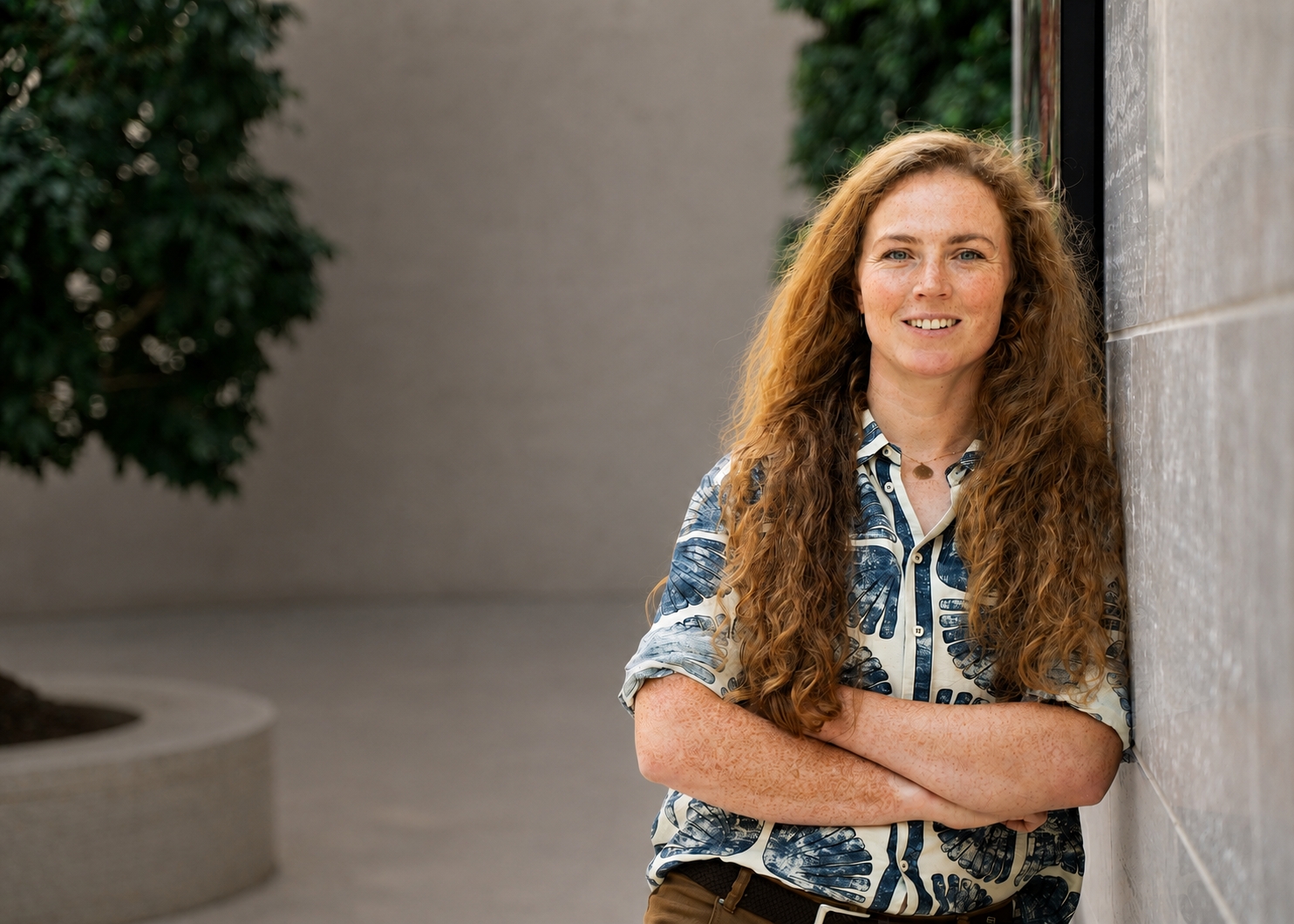
Dr. Stubbs is a world expert in exogenous ketone metabolism and its implications for performance, resilience and health-span. She completed her PhD in Metabolic Physiology at the University of Oxford, studying the metabolism and the application of exogenous ketone salts and esters. Whilst completing her studies, she competed on the British International Rowing Team, and was a two-time World Champion lightweight athlete. Brianna is currently Lead Translational Scientist in the Business Development Team at The Buck Institute for Research on Aging where she is focused on the translation of ketone body research into consumer products and drugs that target healthy aging.
-
 Rafael Branco Clinical Research Associate
Rafael earned a Bachelor of Arts in Psychology and Education, graduating with honors from UC Berkeley. His academic and research interests center on neurology, specifically neurodegenerative disease — a path that has nurtured a gratitude and passion for the care of geriatric populations and scientific advancement. Outside of the lab, Rafael listens to far too many podcasts, and is often making art, spending time in nature, or finding a concert to attend.
rbranco@buckinstitute.org
-
 Katheryn Ehlen Clinical Research Associate
Katheryn completed her B.S. in Public Health- Epidemiology from UC San Diego in 2024 where she also worked as a research assistant. Post graduation, she continued working as a clinical research coordinator for the Parkinson’s and Other Movement Disorders Center at UCSDHealth. Outside of the office, Katheryn enjoys reading, baking, and exploring the local area.
KEhlen@buckinstitute.org
-
 Jyotika Erram Clinical Recruitment Specialist
Jyotika grew up in Benicia, CA, where she found a love of philanthropy through her local Interact and Rotary Club. She completed her B.S. in kinesiology and M.S. in exercise physiology at San Diego State University under the mentorship of Dr. Danial Cannon. With a passion for human physiology, she went on to research the effects of pre-term birth on the work-of-breathing in adults at Northern Arizona University. She then went on to research the effects of Native American ancestry on glucose tolerance and cardiovascular health, while mastering the Flow Mediated Dilation measurement technique. While conducting her research she worked as both an educator and for the Flagstaff community as a Crisis Care Manager. She is dedicated to ensuring human research represents all the people in our communities and making scientific research accessible to all. In her spare time, Jyotika loves spending time in nature and finding adventure. She recently tackled a month long solo cross-country adventure taking her through 21 states and to 10 U.S. National Parks. Her goal is to visit all national parks in the U.S. and Canada, before going on to visit all 7 continents.
JErram@buckinstitute.org
-
 Elena Goncharova, M.S. Research Scientist
Elena completed her Master’s degree in biochemistry at Southern State University, Russia. She worked as a Consulting Research Scientist at Myer Clinical Research, where she conducted innovative preclinical studies focused on breast cancer therapies, including xenograft models, targeted and combination therapies, and PLGA microsphere drug delivery. She now works as a Research Scientist at the Buck Institute, where her research focuses on cellular senescence and aging through Complex In Vitro Models, iPSC-Derived Systems, Organ-on-a-Chip Technology, and translational in vivo studies. Her work focuses on developing and applying physiologically relevant models to investigate mechanisms of aging and support translational research.
EGoncharova@buckinstitute.org
-
 Natalie Hoffman Clinical Research Nurse
Natalie's interest in research precedes her nursing career. She is a former journalist who pursued a career in nursing after writing a series of in-depth articles for the Napa Valley Register about the emergency department of Queen of the Valley Hospital in Napa. Natalie graduated from Sonoma State University's pre-licensure nursing program in 2016. Her nursing background includes medical-surgical, telemetry and hospice experience. She also worked in a rural Federally Qualified Health Center. Natalie is fascinated by how modifiable and non-modifiable factors and epigenetics as a whole impact health throughout the human lifespan. Natalie and her husband of 20 years, Mike, enjoy taking long walks with their dog, traveling, and gardening. Natalie enjoys reading biographies, and is passionate about social justice.
NHoffman@buckinstitute.org
-
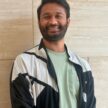 Avinaash Koganti Clinical Research Associate
akoganti@buckinstitute.org
-
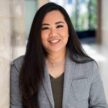 Alison Le Clinical Project Manager
Alison Le is a clinical research professional with over a decade of experience supporting and leading clinical trials in academic, hospital, and private research settings. She is currently a Project Manager at the Buck Institute for Research, where she oversees the operations of the TIME trial. Her role includes managing day-to-day study activities, regulatory documentation, and coordination among investigators, sponsors, and research staff. Prior to joining the Buck Institute, Alison held positions at Cedars-Sinai, UCLA’s David Geffen School of Medicine, and Science 37, among others. Her work has spanned therapeutic areas including dermatology, oncology, cardiovascular medicine, and decentralized trials. Outside of work, Alison enjoys exploring local farmers markets, spending time with her rescue cats, and discovering new restaurants around Northern California. She has a lifelong interest in European cars, food science, skincare, and the intersection of health and technology.
ale@buckinstitute.org
-
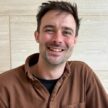 Alex Osborne Clinical Research Associate
Alexander earned a Bachelor of Science in Product Design Technology from the University of Brighton in the UK. After moving to California in 2018, he returned to school at Santa Rosa Junior College with the goal of attending medical school. He is especially interested in preventive care research as the most efficient way to improve health across a large population. Outside of work, Alex spends as much time outdoors as possible; he enjoys kayaking, cycling, climbing, running, and backpacking, and is especially fond of the Sierra Nevada.
aosborne@buckinstitute.org
-
 Sophia Ramirez Clinical Research Associate
Sophia Ramirez earned her Bachelor of Science in Public Health from San Francisco State University. Through her studies, she developed a passion for health education, advocacy, and addressing the social factors that influence health outcomes. She also has clinical experience as a Certified Nursing Assistant on a medical-surgical telemetry unit, where she provided hands-on care to patients with a wide range of acute and chronic health conditions, including older adults. Through these experiences, Sophia developed a strong interest in age-related diseases, healthy aging, and how research can improve patient outcomes. Sophia plans to pursue a career as a Physician Assistant, combining her passions for patient care, research, and health equity. Outside of work, she enjoys staying active, spoiling her dog, Sonny, and spending time with friends and family.
sramirez@buckinstitute.org
-
 Chatura Senadheera Clinical Operations Manager
Chatura is a Clinical Research Associate working on the Buck Clinical Unit set up to carry out research on human volunteers. He received his B.S in biotechnology and M.S in molecular life sciences research from Kings College London in the UK and a Diploma in clinical pharmacology practice from the University of West London. He has worked in microbiology laboratory at Kings College London on characterizing antibiotic profiles in mobile genetic elements as well as in a molecular biology laboratory in the Department of Virology in the University of Cambridge where he worked on RNA virus translation mechanisms. He has worked in the field of clinical research for over a decade at a Clinical Research Organization (CRO) in London, Hammersmith Medicines Research, which specialized in early phase (phase I & II) clinical trials of study drugs for pharmaceutical and biotechnology companies worldwide. When he is not working, he will be found cooking, reading and exploring his local area for foodie hidden gems.
csenadheera@buckinstitute.org
-
 Elizabeth Stephens Clinical Research Associate
Liz Stephens holds a Master’s degree in Microbiology and Cell Science with a concentration in Medical Microbiology and Biochemistry from the University of Florida. She earned her B.S. in Microbiology and Immunology from the University of Nevada, Reno in 2023, along with minors in Molecular Biochemistry and Philosophy, with an emphasis in Ethics, Law, and Politics. With over eight years of experience as a Certified Nursing Assistant and Critical Care Technician, Liz has cultivated a deep appreciation for the resilience of older adults and a curiosity about the science of aging. She is passionate about lifelong learning, interdisciplinary exploration, and making science more human-centered. Outside the lab and clinic, Liz is a baker, pianist, and fantasy enthusiast who thrives in creative spaces. She spends her weekends exploring the forests and coastlines of Northern California, sharing life with her beloved cat Gizmo and a rotating cast of Dungeons & Dragons characters.
EStephens@buckinstitute.org
-
 Desi Stoyanova Research Associate
Desi holds a Bachelor's degree from Smith College with a major in biological sciences and a minor in government. Prior to joining the Benz lab, she worked as an associate scientist in production for the company DiaCarta Inc. Outside the lab, Desi enjoys working out, going to the beach, and reading.
dstoyanova@buckinstitute.org
-
 Vineeta Tanwar Senior Scientist
Dr. Vineeta Tanwar is a translational and clinical scientist with expertise in cardiovascular sciences. She earned her doctorate in Pharmacology from the All India Institute of Medical Sciences, India. Her postdoctoral work at Vanderbilt University investigated the mechanisms of cardiac cell specification during embryonic stem cell differentiation and explored strategies for cardiac repair and regeneration following ischemic injury in the adult heart. She then joined the Dorothy M. Davis Heart and Lung Research Institute at The Ohio State University, where she investigated external triggers of cardiac diseases, with emphasis on air pollution exposure. Her interest in translating scientific discoveries into real-world impact led her to the Center for Integration of Science and Industry, Bentley University, where, as an innovation and translational scientist, she examined trends in science and technological innovation in FDA-approved drugs and the health value generated by biopharmaceutical companies. At the Buck, she works as a translational and clinical scientist, responsible for moving innovative discoveries from preclinical research to human studies. She is co-investigator of a clinical trial translating Kapahi Lab findings on lowering glycation stress into interventions aimed at improving human health and advancing geroscience-guided strategies for healthy aging. Passionate about bridging science and society, she also engages in science communication to promote awareness and counter misinformation.
VTanwar@buckinstitute.org